Vinyl siding has become the go‑to exterior cladding for millions of homeowners because it combines durability, low‑maintenance convenience, and a surprisingly modern look. If you’re weighing whether to replace your aging wood clapboards or simply upgrade a new build, understanding the true cost, performance, and installation nuances will help you make a confident decision that lasts decades.
Why Vinyl Siding Dominates the Home‑Improvement Market
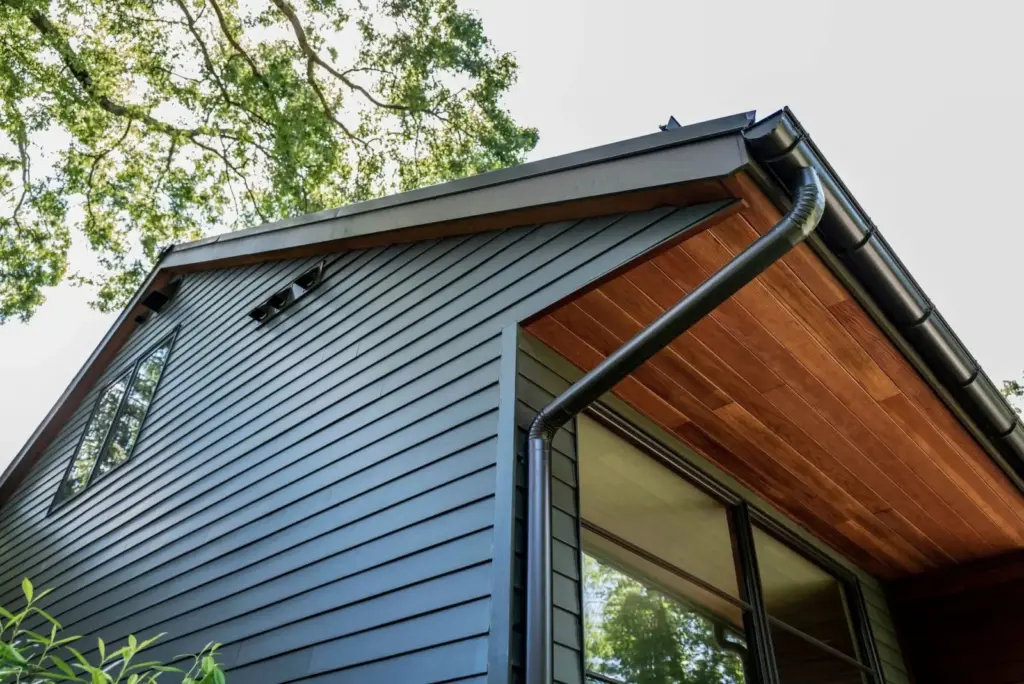
According to the National Association of Home Builders (NAHB) 2026 market report, vinyl siding now accounts for 48 % of all new residential exterior projects, edging out fiber cement and engineered wood. Its popularity stems from three core advantages:
- Cost‑effectiveness: Average material costs range from $2.50 to $7 per square foot, well below the $10‑$12 range for fiber cement.
- Weather‑resistant performance: Modern formulations resist UV fading, moisture absorption, and impact damage, meeting ASTM D7031 standards for impact resistance.
- Energy‑saving potential: When paired with proper insulation, vinyl siding can improve a home’s R‑value by up to 10 %, reducing heating bills by an estimated 5‑7 % (U.S. Department of Energy, 2025).
Choosing the Right Vinyl Siding Profile
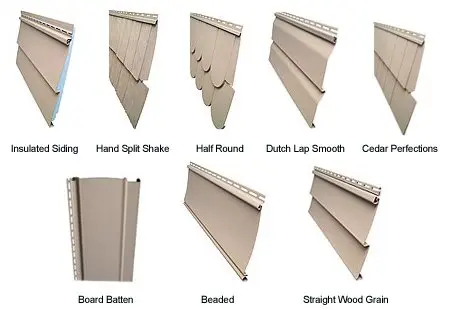
Vinyl siding isn’t a one‑size‑fits‑all product. The most common profiles include:
1. 1‑Piece Lap (Traditional)
Ideal for classic colonial aesthetics, this profile offers a seamless, continuous look that hides seams under the overlapping design.
2. Dutch Lap
The beveled edge creates a shadow line that mimics the depth of wood siding, adding visual texture without extra material.
3. Board‑and‑Batton
Perfect for a rustic farmhouse vibe, this style simulates the look of vertical planks with a decorative “batton” cover strip.
When selecting a profile, consider the architectural style of your home and the climate‑related performance you need. For example, the Dutch Lap’s deeper shadow line can conceal minor dents caused by hail, a frequent concern in the Midwest.
Installation Basics: What Homeowners Should Know
While many DIY enthusiasts successfully install vinyl siding, the process demands careful preparation to avoid costly mistakes. Below is a step‑by‑step guide that aligns with the International Residential Code (IRC) 2023 requirements.
- Inspect and Repair the Sheathing: Replace any damaged plywood or OSB before proceeding.
- Apply a Weather‑Resistant Barrier (WRB): A self‑adhered WRB like Tyvek® offers an extra layer of moisture protection.
- Install Proper Insulation: Rigid foam board (R‑5 to R‑7) behind the siding helps achieve the energy‑efficiency gains mentioned earlier. Learn how to properly insulate behind vinyl siding.
- Use the Correct Nailing Technique: Nails should be driven flush with the siding surface without crushing the vinyl. The recommended spacing is 16 in. on center for studs.
- Leave Expansion Gaps: Vinyl expands and contracts with temperature changes; a ¼‑inch gap at each end of a panel prevents buckling.
- Finish with Trim: Corner, window, and door trims not only seal gaps but also provide a polished look.
Skipping any of these steps often leads to common issues such as warping, moisture intrusion, or premature fading.
Common Mistakes and How to Avoid Them
- Improper Fastening: Over‑driving nails can crush the siding, while under‑driving leaves it loose and prone to wind damage.
- Neglecting the Expansion Gap: Vinyl can expand up to 0.5 % in hot weather; without room to move, panels may curl.
- Installing Over Unlevel Surfaces: Even a half‑inch variation can cause uneven panels that look “wavy.” Use shims to level before fastening.
- Choosing the Wrong Thickness: Thinner 10‑mil panels are cheaper but less impact‑resistant. For high‑wind zones (Category 3 or above), opt for 12‑mil or thicker.
Maintenance: Keeping Vinyl Siding Pristine for Decades
One of vinyl siding’s biggest selling points is its low‑maintenance nature, but “low‑maintenance” doesn’t mean “no‑maintenance.” A simple routine can extend the lifespan by 20 % or more.
- Annual Cleaning: Use a garden hose and a mild detergent. For stubborn grime, a soft‑bristle brush works best.
- Spot Repairs: Small cracks can be patched with vinyl repair kits, which blend with the factory color.
- Inspect After Severe Weather: Look for dents or loosened panels after hailstorms, especially in the Midwest.
- Re‑paint Carefully (If Needed): Although most vinyl siding comes pre‑colored, some homeowners opt for a fresh coat. Only use acrylic latex paints specifically designed for vinyl to avoid cracking.
Cost Comparison: Vinyl vs. Alternatives in 2026
| Material | Average Material Cost (per sq ft) | Installation Labor | Life Expectancy |
|---|---|---|---|
| Vinyl Siding | $2.50‑$7 | $1.50‑$2 | 30‑40 years |
| Fiber Cement | $10‑$12 | $2‑$3 | 35‑50 years |
| Engineered Wood | $6‑$9 | $1.8‑$2.5 | 20‑25 years |
When factoring in the lower maintenance costs—estimated at $0.15 per sq ft annually for vinyl versus $0.30 for fiber cement—the total 30‑year ownership cost often favors vinyl by up to 15 % (Home Energy Research Institute, 2025).
Real‑World Case Study: A Mid‑Century Renovation in Austin, TX
Homeowner Lisa Martinez replaced 2,200 sq ft of deteriorating wood clapboards with 12‑mil Dutch Lap vinyl siding in early 2025. The project, detailed in Vinyl Siding vs. Fiber Cement: Which Is Better?, achieved the following outcomes:
- Energy bills dropped by 6 % after adding R‑7 foam board insulation behind the siding.
- The property’s resale value increased by an estimated $15,000, according to the Austin Real Estate Board’s 2026 market analysis.
- Maintenance time reduced to a quarterly rinse, eliminating the need for annual painting.
This example illustrates how a well‑executed vinyl siding upgrade can deliver both aesthetic and financial returns.
Future Trends: What’s Next for Vinyl Siding?
Manufacturers are investing heavily in sustainability and performance. Two notable trends for 2026 include:
1. Recycled‑Content Vinyl
More than 30 % of the resin in new products now derives from post‑consumer plastic, reducing carbon footprints by up to 12 % (Vinyl Institute, 2025).
2. Integrated Smart Panels
Emerging “smart” siding incorporates temperature sensors that communicate with home automation systems, allowing homeowners to monitor wall temperature and moisture levels in real time.
Frequently Asked Questions
Is vinyl siding fire‑resistant?
Standard vinyl siding is classified as Class C fire‑rated, meaning it will not ignite easily but can melt under extreme heat. For higher fire safety, look for siding with a fire‑retardant coating, which meets ASTM E84 “low flame spread” criteria.
Can I install vinyl siding over existing wood siding?
Yes, if the existing wood is in good condition and flat. Install a weather‑resistant barrier and ensure proper furring strips for a level surface. This method can save labor costs while preserving the historic look underneath.
How does vinyl siding affect home resale value?
Homes with new vinyl siding typically sell 5‑7 % faster and for 3‑5 % higher prices than those with outdated wood or aluminum exteriors (National Association of Realtors, 2026).
What warranty should I expect?
Most reputable manufacturers offer 25‑year limited warranties that cover color fading, warping, and impact resistance. Always read the fine print for exclusions related to improper installation.
Bottom Line: Is Vinyl Siding Right for You?
If you prioritize a blend of affordability, durability, and low upkeep, vinyl siding remains the most practical choice for the majority of residential projects in 2026. By selecting the appropriate profile, ensuring correct installation, and performing routine maintenance, homeowners can enjoy a beautiful, weather‑resistant exterior for decades while also benefiting from modest energy savings.
Ready to start your siding journey? Explore the latest design trends in Top 5 Home Exterior Renovation Trends 2026 and see how vinyl siding can fit into your vision.
For a deeper dive into material science and environmental impact, visit the Vinyl siding Wikipedia page, which offers comprehensive historical and technical background.
—
