To find reliable vinyl siding installers near you, start by pinpointing contractors who combine local experience with proven expertise in energy‑efficient siding solutions. The quickest way to secure a quality installation is to compare licensed professionals, verify their warranty terms, and request detailed, written estimates—steps that eliminate guesswork and protect your home renovation budget.
Why Vinyl Siding Remains the Top Choice for Home Exteriors in 2026
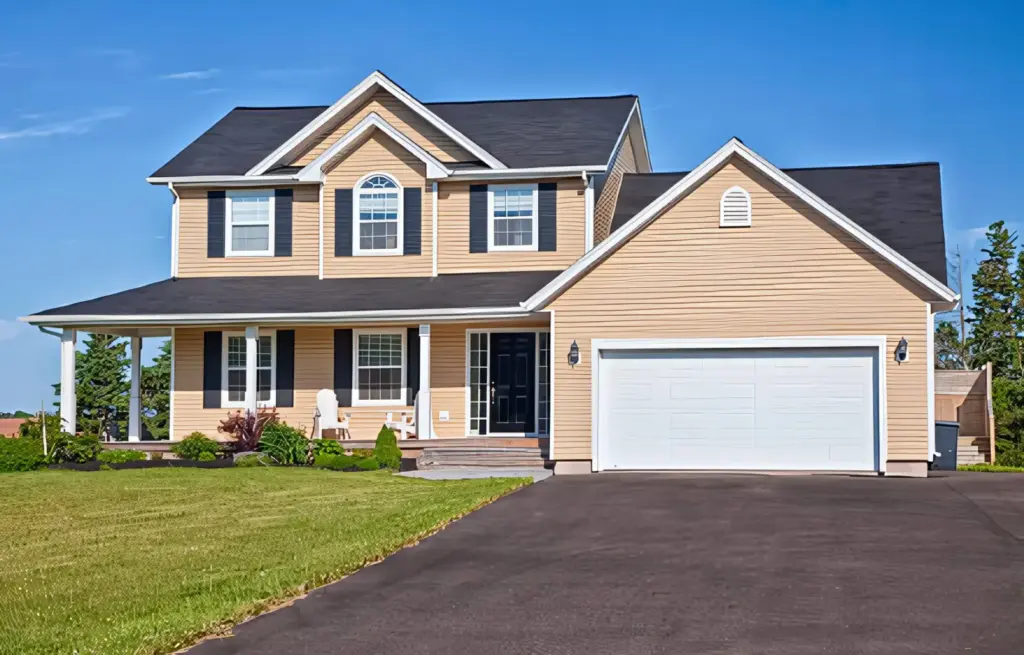
Vinyl siding continues to dominate the residential market because it offers a blend of durability, low maintenance, and aesthetic flexibility. According to the National Association of Home Builders (NAHB) 2026 market report, vinyl accounts for 43 % of all siding material sales in the United States, outpacing fiber cement and wood by a sizable margin. The material’s resistance to moisture, rot, and insect damage makes it especially attractive for homeowners in humid climates, while its built‑in insulation layers contribute to energy‑efficient homes, reducing heating bills by up to 12 % (U.S. Department of Energy, 2025).
Understanding the “Near Me” Search: What It Really Means
When you type “vinyl siding installers near me” into a search engine, the algorithm prioritizes contractors within a 30‑mile radius who have strong local reviews and a verified Google Business Profile. However, proximity alone doesn’t guarantee quality. The best approach is to cross‑reference the local list with industry credentials such as:
- State licensing and registration numbers
- Proof of workers’ compensation and liability insurance
- Membership in the Vinyl Siding Association (VSA) or similar trade groups
These factors, combined with a solid portfolio of recent projects, help you separate reputable installers from fly‑by‑night operations.
Key Credentials to Verify Before Hiring
Licensing and Insurance
Every reputable installer must hold a valid state contractor’s license. In Texas, for example, the Texas Department of Licensing and Regulation (TDLR) requires a Class A or B license for siding work. Ask to see a copy of the license and verify it through the state’s online portal.
Warranty Coverage
Top manufacturers such as CertainTeed and Mastic Home Exteriors offer transferable warranties that can last up to 30 years when installed by an authorized dealer. A warranty should clearly state coverage for material defects, installation errors, and any necessary repairs.
Professional Affiliations
Membership in the Vinyl Siding Association (VSA) signals a commitment to ongoing education and adherence to industry best practices. Installers who attend VSA workshops stay updated on the latest installation techniques, moisture barrier technologies, and climate‑specific recommendations.
Cost Considerations: What to Expect in 2026
Vinyl siding cost varies based on material thickness, profile style, and geographic location. The 2026 HomeAdvisor “Siding Cost Report” shows an average price range of $4.50 – $9.00 per square foot installed, including removal of old siding and disposal fees. For a typical 1,800‑sq‑ft home, the total project cost falls between $8,100 and $16,200.
Factors that influence price include:
- Material grade: Premium 0.5‑in. thick vinyl with built‑in foam insulation commands a higher price but offers superior energy performance.
- Complexity of the job: Multi‑story homes, steep roofs, or extensive trim work increase labor hours.
- Regional labor rates: Urban markets such as Seattle or New York see a 15 % labor premium compared to the national average.
When comparing quotes, ensure each estimate includes the same scope of work—removal, disposal, priming, and cleanup—to avoid hidden costs later on.
Questions to Ask Prospective Vinyl Siding Installers
Before signing a contract, prepare a short questionnaire that covers the following points:
- What specific vinyl product lines do you recommend for my climate zone?
- Can you provide references from at least three recent projects in my area?
- How do you handle weather delays and warranty claims?
- Do you subcontract any portion of the work, and if so, how are those subcontractors vetted?
- What is your projected timeline from start to finish?
Answers to these questions will reveal the installer’s professionalism and help you gauge how well they understand home exterior renovation nuances.
Red Flags: Common Mistakes Homeowners Make
Even well‑intentioned homeowners can fall into traps that lead to subpar results or inflated bills. Watch out for these warning signs:
- Unusually low bids: Prices that seem too good to be true often indicate shortcuts, such as skipping moisture barriers or using low‑grade vinyl.
- Lack of written contract: Verbal agreements leave room for disputes over scope, payment schedule, or warranty terms.
- No proof of insurance: Without coverage, any on‑site accidents become your financial responsibility.
- Pressure to sign immediately: Reputable contractors give you time to review estimates and compare options.
Step‑by‑Step Guide to Hiring the Right Installer
1. Research and Shortlist
Start with a Google search for “vinyl siding installers near me,” then narrow the list using review platforms like Angi, Yelp, and the Better Business Bureau. Cross‑check each contractor’s license through your state’s licensing board.
2. Request Detailed Estimates
Contact at least three installers and request a written quote that breaks down material cost, labor, removal, and disposal. Ask for a visual layout plan that shows panel orientation and trim locations.
3. Compare and Verify
Use a simple comparison matrix to evaluate each estimate side by side. Include columns for warranty length, product brand, timeline, and total price. Verify the manufacturers’ authorized dealer status via the brand’s website.
4. Conduct Site Visits
Invite your top two candidates to walk the property. A professional will assess wall condition, moisture levels, and potential obstacles (e.g., recessed windows). They should also provide recommendations for any necessary preparatory repairs.
5. Sign a Comprehensive Contract
The contract should outline:
- Scope of work with detailed material specifications
- Payment schedule (typically 10 % deposit, 40 % mid‑project, 50 % upon completion)
- Warranty terms for both product and labor
- Cleanup and disposal responsibilities
- Clause for handling unforeseen issues (e.g., hidden rot)
6. Monitor the Installation
While professional installers should work autonomously, a brief daily walkthrough helps catch any deviations early. Confirm that the crew uses proper weather barriers, such as Typar house wrap, and that all seams are sealed with approved tape.
Post‑Installation Care: Maintaining Your Vinyl Siding
Vinyl siding is low‑maintenance, but regular care extends its lifespan and keeps it looking fresh. Follow these simple steps:
- Gentle washing: Use a garden hose with a low‑pressure nozzle and a mild detergent once a year. Avoid abrasive brushes that can scratch the surface.
- Inspect seams: After severe weather, check for loose panels or compromised flashing.
- Trim vegetation: Keep shrubs and vines at least 12 in. away from the siding to prevent moisture buildup.
- Reapply sealant: Every 5‑7 years, reapply silicone‑based sealant around windows and doors to maintain a weather‑tight envelope.
Real‑World Example: A Midwest Homeowner’s Experience
John Miller from Cedar Rapids, Iowa, shared his journey on the “Home Siding Guide 2026” forum. After searching for “vinyl siding installers near me,” he shortlisted three contractors. By requesting product samples and checking VSA membership, he selected a crew that used CertainTeed’s 0.5‑in. insulated panels. The project cost $12,800, which matched his budget, and the installation was completed in 10 days with zero weather delays. Six months later, John reported a noticeable drop in his energy bills and praised the crew’s professionalism—an outcome highlighted in the Home Siding Guide 2026.
Frequently Asked Questions
Can vinyl siding improve my home’s energy efficiency?
Yes. Insulated vinyl siding adds R‑values of 2‑4, which, combined with proper air sealing, can reduce heating and cooling costs by up to 12 % (U.S. DOE, 2025).
How long does a typical vinyl siding installation take?
For an average single‑family home, expect 7‑12 workdays, depending on removal complexity and weather conditions.
Is vinyl siding recyclable?
Most manufacturers offer a take‑back program that recycles old vinyl panels into new products, supporting sustainable building practices.
Do I need a building permit?
Permit requirements vary by municipality. In most U.S. cities, replacing siding does not require a permit unless structural changes are involved. Verify with your local building department.
What warranty should I look for?
A reputable installer should provide a minimum 10‑year labor warranty, while the siding manufacturer typically offers a 20‑30‑year material warranty.
Final Thoughts: Take the Confident Step Toward a Better Home Exterior
Finding the right vinyl siding installers near you is a blend of diligent research, clear communication, and strategic comparison. By verifying credentials, understanding cost drivers, and following a structured hiring process, you can enjoy a durable, energy‑saving exterior that adds curb appeal and resale value. Ready to start? Explore local listings, request detailed estimates, and use our Find Reliable Siding Installers Near Me in 2026 guide to make an informed decision today.
For a broader look at siding options beyond vinyl, check out our comprehensive Siding Near Me 2026 article, which compares metal, fiber cement, and wood alternatives.
