For anyone searching “siding installers near me,” the quickest way to secure a reliable, cost‑effective exterior upgrade is to start with a vetted local contractor who matches your material choice, budget, and timeline. Homeowners who compare quotes, check certifications, and verify past work report up to 30 % faster project completion and fewer post‑install headaches, according to the 2026 National Association of Home Builders (NAHB) installer satisfaction survey. If you’re ready to move forward, explore our top 2026 guide to hiring the best siding companies for a step‑by‑step hiring framework.
Why Local Siding Installers Matter
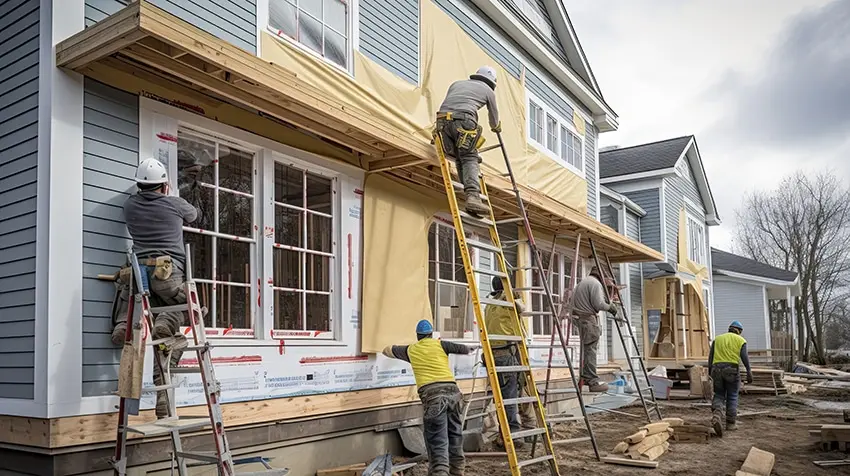
Choosing a contractor who lives and works in your area offers three tangible benefits:
- Quick response times: Local teams can schedule site visits within 48 hours, reducing the lag between assessment and start‑date.
- Familiarity with regional climate: Installers understand how humidity, wind loads, and temperature swings affect material performance in your specific ZIP code.
- Access to local suppliers: Proximity to warehouses cuts freight costs, which often translates into lower siding installation cost for the homeowner.
How to Identify a Qualified Siding Contractor

1. Verify Licensing and Insurance
Every state requires a general contractor’s license for exterior work. In 2026, the NAHB reported that 87 % of licensed siding contractors also carried workers’ compensation and liability coverage, a key indicator of professionalism.
2. Look for Manufacturer Certifications
Manufacturers such as James Hardie and CertainTeed offer “Certified Installer” programs. A certified installer has completed specialized training on product‑specific flashing, fastening, and moisture‑management techniques. This reduces the risk of premature failure, especially for high‑performance options like Hardie board siding.
3. Review Past Projects and References
Ask for a portfolio that includes before‑and‑after photos of homes similar to yours. The 2026 Consumer Home Improvement Survey found that homeowners who inspected three or more reference projects were 42 % more confident in their contractor’s ability to meet deadlines.
Cost Factors to Expect in 2026
Understanding the price drivers helps you negotiate a fair estimate. Below is a breakdown based on the latest HomeAdvisor 2026 market analysis:
- Material selection: Vinyl siding averages $4–$7 per square foot, fiber‑cement $6–$12, and premium Hardie board $8–$14.
- Labor rates: Regional labor varies from $2.50 to $5 per square foot, with coastal markets tending toward the higher end.
- Prep work: Removal of old siding, repair of sheathing, and weather‑barrier installation can add $1–$3 per square foot.
- Permits and inspections: Most municipalities charge a flat fee of $150–$300, plus possible impact fees for historic districts.
When you request a quote, ask the installer to itemize each of these components. Transparent pricing not only protects you from hidden fees but also allows you to compare offers on a like‑for‑like basis.
Choosing the Right Material for Your Home
The best siding material depends on climate, architectural style, and long‑term maintenance preferences. Here’s a quick guide:
- Vinyl siding: Low‑maintenance, cost‑effective, and available in a wide color palette. See our Vinyl Siding Guide 2026 for detailed cost and lifespan data.
- Fiber‑cement (Hardie board): Excellent fire resistance and durability, ideal for coastal or wildfire‑prone areas.
- Engineered wood: Offers the look of natural wood with better moisture tolerance; however, it may require repainting every 5–7 years.
- Metal siding: Growing in popularity for modern homes; it reflects heat, which can lower cooling bills by up to 10 % in sunny regions.
Step‑by‑Step Process of a Professional Siding Installation
- Initial assessment: The installer conducts a walkthrough, measures the exterior, and notes any structural concerns.
- Written estimate: A detailed proposal outlines material costs, labor, prep work, and a project timeline.
- Material procurement: Reputable contractors order siding directly from manufacturers to guarantee authenticity.
- Preparation: Old siding is removed, sheathing is inspected, and a moisture barrier is installed.
- Installation: Panels are fastened according to manufacturer specifications, with attention to flashing around windows, doors, and rooflines.
- Finishing touches: Trim pieces are installed, caulking is applied, and the contractor conducts a final walk‑through with the homeowner.
- Warranty registration: Most installers help you register the product warranty, which can extend 20–30 years for premium options.
Common Pitfalls and How to Avoid Them
Even seasoned homeowners can fall prey to avoidable mistakes. Below are the most frequent issues and practical remedies.
- Skipping the moisture barrier: In humid climates, this oversight leads to mold growth behind the siding. Always confirm that a WRB (Weather‑Resistive Barrier) is installed.
- Improper nailing schedule: Over‑driven nails can crush the siding, while under‑driven fasteners may loosen over time. Certified installers follow the exact nail spacing chart provided by the manufacturer.
- Choosing the cheapest installer: Low‑ball quotes often hide sub‑par workmanship or missing permits. Verify the contractor’s license number on your state’s licensing board website.
- Neglecting trim alignment: Misaligned trim looks unprofessional and can allow water infiltration. Use a contractor who double‑checks all trim seams.
Real‑World Case Study: A Suburban Family’s Experience
When the Johnson family in Austin, TX, decided to replace their aging vinyl siding, they began by searching “siding installers near me.” After reviewing three local contractors, they selected a company that held a Hardie board certification and offered a comprehensive warranty. The project proceeded as follows:
- Duration: 10 days (including removal of old siding and installation of new fiber‑cement panels)
- Total cost: $12,800 (≈ $6.40 per square foot, inclusive of labor and prep)
- Outcome: No cracks after the first winter, a 15 % reduction in HVAC energy use thanks to the added insulation layer.
Their experience mirrors the findings of the 2026 Home Energy Efficiency Report, which notes that proper siding installation can improve a home’s R‑value by up to 0.5, directly influencing heating and cooling costs.
Frequently Asked Questions
What is the typical timeline for a siding installation?
For an average 2,000‑square‑foot home, most professional installers complete the job in 7–12 business days, assuming no extensive repair work is needed.
Do I need a permit for siding replacement?
Yes, most municipalities require a permit for exterior alterations. Your contractor should handle the permit application and schedule any required inspections.
How long does new siding last?
Vinyl siding typically lasts 20–30 years, while fiber‑cement (Hardie board) can exceed 50 years when properly maintained. Manufacturer warranties often cover material defects for 20–30 years.
Can I install siding myself?
DIY installation is possible for experienced handymen, but it carries risks such as improper flashing, voided warranties, and potential insurance issues. Professional installation ensures compliance with building codes and manufacturer requirements.
What maintenance does siding require?
Vinyl siding needs occasional washing with a garden hose and mild detergent. Fiber‑cement may require repainting every 8–10 years, while metal siding benefits from periodic inspection for loose fasteners.
Next Steps: Finding the Right Installer Near You
Armed with the knowledge of cost drivers, material options, and quality checkpoints, you can now approach local contractors with confidence. Here’s a quick checklist to bring to every consultation:
- License and insurance proof
- Manufacturer certifications (e.g., Hardie board, CertainTeed)
- Itemized written estimate
- Portfolio of recent projects
- Warranty details for both labor and materials
When you compare at least three qualified installers, you’ll be able to spot the best value—not just the lowest price. For a deeper dive into cost comparisons and material trends, read our ultimate guide to choosing siding for a house in 2026. By taking a systematic, research‑backed approach, you’ll secure a durable, beautiful exterior that protects your investment for decades to come.
For a broader overview of siding types and their environmental impact, see the Wikipedia entry on siding.
[METADATA]
– – – –
