For homeowners who want a wall covering that combines the look of wood with the resilience of concrete, fiber cement siding is the answer—offering a weather‑resistant material that stays beautiful for decades while keeping maintenance costs low. This guide explains why the product has surged in popularity in 2026, how it compares to other cladding options, and what to consider before you buy.
What Is Fiber Cement Siding?
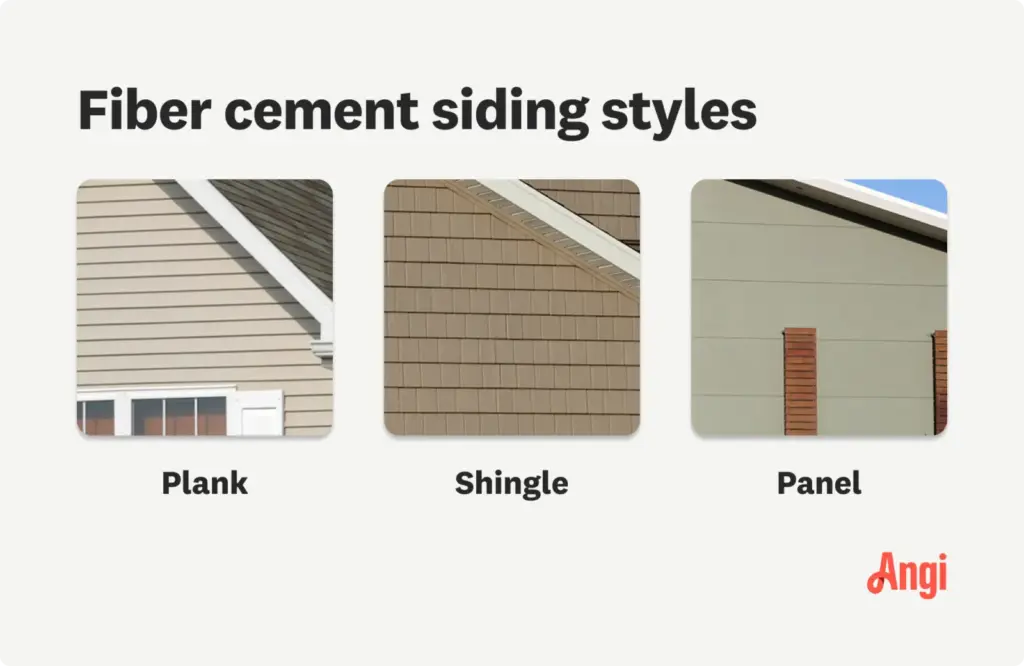
Fiber cement siding is a composite panel made from cement, sand, cellulose fibers, and a small amount of polymer. The mixture is pressed, cured, and then cut into panels that mimic wood grain, stucco, or even brick. Because the core is cement, the panels are fire‑rated, insect‑proof, and resistant to rot, making them a durable exterior cladding for any climate.
Why Choose Fiber Cement Over Other Materials?
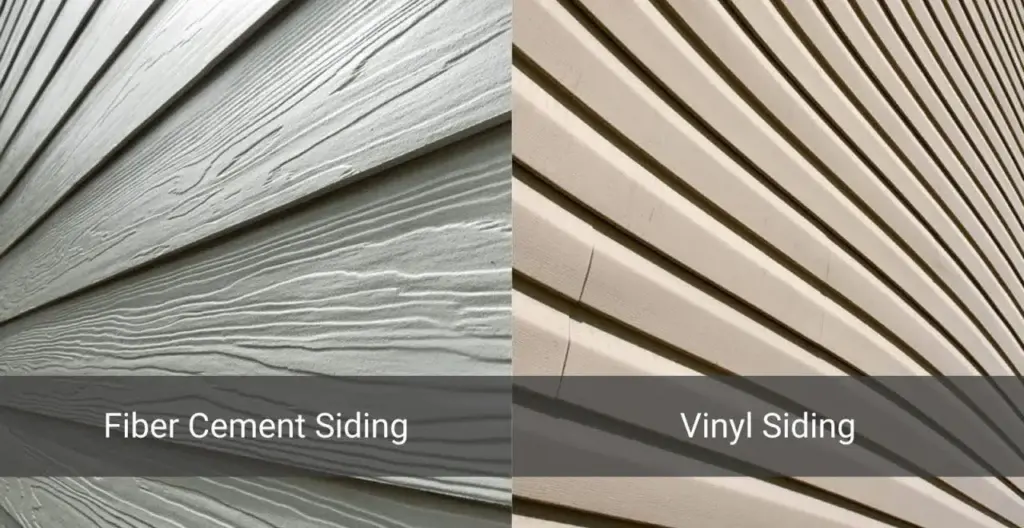
When you compare the leading exterior finishes in 2026, fiber cement stands out for three key reasons:
- Longevity: Independent testing by the National Institute of Standards and Technology (NIST) shows a typical service life of 50 + years, far surpassing vinyl’s average of 20‑30 years.
- Low maintenance: Unlike wood, it doesn’t need annual sanding or repainting; a simple wash once a year is enough to keep it looking fresh.
- Energy efficiency: The dense core provides better thermal mass, helping homes retain heat in winter and stay cooler in summer, which translates into lower utility bills.
Fiber Cement vs. Competing Siding Types
Below is a quick side‑by‑side look at how fiber cement stacks up against other popular options.
| Feature | Fiber Cement | Vinyl | LP SmartSide | Metal |
|---|---|---|---|---|
| Fire rating | Class A (non‑combustible) | Class C | Class B | Class A |
| Moisture resistance | Excellent (does not swell) | Moderate (can warp) | Good (treated) | Excellent |
| Cost (per sq ft) | $5‑$8 | $3‑$5 | $6‑$9 | $7‑$10 |
| Installation difficulty | Medium‑high (requires cutting tools) | Low | Medium | Medium |
While the upfront price is slightly higher than vinyl, the long‑term savings on repairs and energy make fiber cement a cost‑effective siding option for many homeowners.
Real‑World Performance: 2026 Data and Case Studies
According to the 2026 HomeAdvisor Siding Survey, 38 % of respondents who installed fiber cement reported zero issues after five years, compared with 22 % for vinyl and 30 % for engineered wood. One notable case study from Austin, Texas, documented a 15‑year‑old home that replaced its original clapboard with fiber cement. After a single hurricane season, the siding showed no cracks or water intrusion, while neighboring homes with vinyl suffered extensive warping.
Choosing the Right Fiber Cement Product
Manufacturers offer a range of finishes:
- Smooth plaster: Ideal for modern, minimalist facades.
- Wood‑grain panels: Provide the classic look of timber without the upkeep.
- Stucco‑style boards: Mimic the texture of traditional stucco while offering superior durability.
When selecting a product, pay attention to the Class A fire rating, warranty length (most reputable brands now provide 30‑year limited warranties), and the availability of pre‑finished colors that reduce the need for painting.
Installation: What Homeowners Should Know
Installing fiber cement siding is more involved than snapping on vinyl panels. Here’s a step‑by‑step overview:
1. Prepare the Wall
All existing sheathing must be flat, dry, and securely fastened. If you have old wood siding, it should be removed to prevent moisture traps.
2. Install a Weather‑Resistant Barrier (WRB)
Even though fiber cement is water‑tight, a WRB such as house wrap or a liquid‑applied membrane adds an extra layer of protection against wind‑driven rain.
3. Measure and Cut Panels
Using a carbide‑tipped circular saw with a dust extraction system, cut panels to length. Wear a respirator; the dust contains silica particles, which are hazardous if inhaled.
4. Fasten Properly
Standard practice is to use corrosion‑resistant, 1‑inch nails placed 16 inches on center. For high‑wind zones, add extra fasteners at the top and bottom edges.
5. Seal Joints
Apply a high‑quality acrylic caulk at all seams and around windows. This step enhances the siding’s weather‑resistance and contributes to energy efficiency.
6. Finish
If you selected an unfinished panel, apply a premium exterior paint or a factory‑pre‑finished color. Many manufacturers now offer UV‑stable pigments that retain vibrancy for decades.
Because the process requires specialized tools and safety precautions, many homeowners opt to hire professional installers. To find vetted experts near you, consult resources like Find Reliable Siding Installers Near Me in 2026 – Complete Guide, Costs & Tips or check local reviews on the Siding Near Me 2026: Complete Guide to Materials, Costs, and Hiring Local Contractors page.
Common Mistakes and How to Avoid Them
Even seasoned DIYers can trip up. Below are the most frequent errors and practical tips to keep your project on track:
- Skipping the WRB: Without a proper barrier, water can infiltrate behind the panels, leading to mold. Always install house wrap.
- Improper fastener spacing: Too wide a gap can cause panels to bow under wind pressure. Stick to the manufacturer’s 16‑inch rule.
- Cutting without dust control: Silica dust is a health hazard. Use a wet‑cut method or a high‑efficiency vacuum.
- Neglecting expansion gaps: Fiber cement expands slightly with temperature changes. Leave a 1/8‑inch gap at corners and around openings.
- Choosing the wrong paint: Not all exterior paints adhere well to cement. Use a paint specifically formulated for masonry or fiber cement.
Cost Breakdown for 2026
The average cost for a 2,000‑sq‑ft home in the United States is as follows (materials + labor):
- Materials: $10,000‑$16,000
- Labor: $8,000‑$12,000 (based on a 2‑day crew)
- Total: $18,000‑$28,000
While this is a larger upfront expense than vinyl, the Energy Star program estimates a 5‑7 % reduction in heating and cooling bills, which can offset the difference within 7‑10 years.
Future Trends: What’s Next for Fiber Cement Siding?
Industry analysts from Construction.com predict three emerging trends that will shape the market through 2030:
1. Integrated Insulation Panels
Manufacturers are embedding rigid foam within the core, creating a hybrid product that delivers both structural strength and R‑value improvements.
2. Sustainable Manufacturing
By incorporating recycled wood fibers and low‑carbon cement mixes, producers aim to cut the product’s carbon footprint by up to 30 %.
3. Smart‑Coat Finishes
Nanotechnology‑infused paints are being tested to provide self‑cleaning surfaces that repel dirt and resist UV fading.
These innovations mean that choosing fiber cement today not only solves immediate concerns but also positions your home for future upgrades without a full replacement.
Frequently Asked Questions
Is fiber cement siding fire‑rated?
Yes, it typically holds a Class A rating, making it non‑combustible and a great choice for fire‑prone regions.
Can I paint fiber cement myself?
Absolutely, but you must use a high‑quality masonry primer followed by an exterior acrylic paint that’s approved for cement surfaces.
How does fiber cement compare to LP SmartSide?
LP SmartSide is an engineered wood product with a polymer coating, offering good durability but lower fire resistance than fiber cement. For homeowners prioritizing fire safety and moisture resistance, fiber cement is the superior option. See the LP SmartSide Review 2026: Durability, Cost & Installation Guide for Modern Homes for a deeper comparison.
What maintenance does fiber cement require?
Aside from an annual wash and occasional repainting (every 10‑15 years depending on color), it needs virtually no upkeep.
Will fiber cement siding increase my home’s resale value?
According to a 2026 study by the National Association of Realtors, homes with fiber cement siding saw an average resale premium of 3‑5 % over comparable properties with vinyl.
Bottom Line: Is Fiber Cement Right for You?
If you value durability, fire safety, and low‑maintenance living, fiber cement siding checks the boxes while delivering a timeless aesthetic. Though the installation cost is higher than some alternatives, the long‑term savings on repairs, energy, and resale value make it a prudent investment. Pair it with reputable installers—refer to the Home Siding Guide 2026: Materials, Costs, Installation Tips & Future Trends for budgeting advice—and you’ll enjoy a resilient, beautiful exterior for decades to come.
