When you type “siding near me” into a search engine, you’re usually looking for a fast, trustworthy solution to protect your home’s exterior while boosting curb appeal. The quickest way to achieve that is to partner with a local siding contractor who knows the climate, building codes, and the best material options for your neighborhood. By focusing on nearby installers, you reduce travel costs, speed up project timelines, and gain access to community‑based reviews that help you avoid costly mistakes. For a comprehensive look at material choices and cost trends, check out our Home Siding Guide 2026, which breaks down everything from vinyl to fiber cement.
Why “Siding Near Me” Is the Smart Search
Local searches filter out out‑of‑state providers that may not be familiar with regional weather challenges such as coastal humidity or harsh winter freeze‑thaw cycles. A nearby siding installer can tailor the product selection—whether it’s moisture‑resistant vinyl siding, low‑maintenance aluminum, or durable fiber cement—to match those specific conditions. Moreover, local contractors can obtain permits faster, coordinate with municipal inspectors, and often source materials from regional distributors, which can shave 5‑10% off the overall project cost.
Common Siding Materials You’ll Find in Your Area
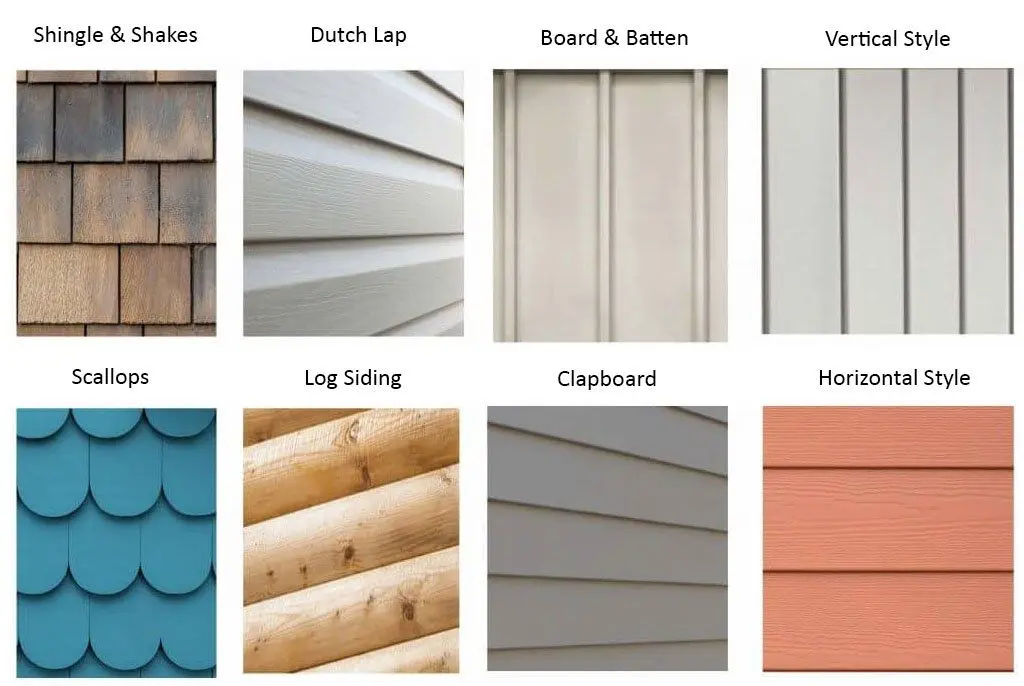
In 2026, the market for exterior home siding continues to expand, offering homeowners a variety of options that balance aesthetics, performance, and price. Below are the most prevalent choices you’ll encounter when searching for “siding near me.”
Vinyl Siding
Vinyl remains the most popular material for residential projects due to its affordability (average $3‑$5 per square foot installed) and low maintenance. Modern formulations are UV‑stabilized, reducing fading, and include insulated panels that improve energy efficiency by up to 10% according to the National Association of Home Builders (NAHB) 2025 report.
Fiber Cement Siding
Fiber cement combines cement, sand, and cellulose fibers, offering the look of wood without the rot risk. It’s especially valued in coastal regions where salt air can corrode metal. The 2026 LP SmartSide Review highlights a 30‑year warranty and a lifespan exceeding 50 years when properly maintained.
Aluminum Siding
Aluminum provides a sleek, modern finish and is completely recyclable. Its resistance to rust makes it ideal for high‑humidity zones. Installation costs are slightly higher ($5‑$7 per square foot) but the material’s durability often offsets the initial outlay.
Board and Batten
This vertical panel style adds a rustic charm and works well on farmhouse‑style homes. While traditionally wood, many manufacturers now offer engineered wood or composite alternatives that resist insects and moisture.
How to Vet Local Siding Contractors
Finding a reputable “siding near me” provider involves more than a quick Google search. Follow these steps to ensure you hire a qualified siding installer.
1. Verify Licensing and Insurance
Every state requires contractors to hold a valid exterior remodeling license. Request a copy of the license and confirm its status on your state’s licensing board website. Also, check that the contractor carries general liability insurance and workers’ compensation to protect you from potential lawsuits.
2. Review Past Work and References
Ask for a portfolio of recent projects, preferably within a 30‑mile radius. Homeowners often share before‑and‑after photos on platforms like Houzz and Angi. Contact at least two references to discuss project timelines, communication, and any post‑installation issues.
3. Compare Detailed Quotes
A transparent quote should break down material costs, labor, disposal fees, and any optional upgrades such as insulated panels or trim work. Beware of “all‑inclusive” numbers that hide extra charges for things like moisture barriers.
4. Check Local Reputation
Search for reviews on Google My Business, Yelp, and the Better Business Bureau. Pay attention to patterns: recurring complaints about missed deadlines or poor cleanup are red flags.
For an in‑depth guide on locating trustworthy installers, see our Find Reliable Siding Installers Near Me in 2026 article, which outlines additional vetting tools and local resource directories.
2026 Cost Landscape: What to Expect
According to the 2025 Home Improvement Cost Index by the Remodeling Magazine, the average national cost for siding replacement rose 4.2% year‑over‑year, driven by rising raw material prices and increased labor rates. Below is a snapshot of typical costs for the most common materials when sourced from local suppliers:
- Vinyl siding: $3.25‑$5.50 per square foot installed.
- Fiber cement: $5.00‑$8.00 per square foot installed.
- Aluminum: $5.50‑$7.75 per square foot installed.
- Board and batten (engineered wood): $6.00‑$9.00 per square foot installed.
Don’t forget additional expenses such as:
- Old siding removal and disposal: $0.50‑$1.00 per square foot.
- Moisture barrier installation: $0.30‑$0.60 per square foot.
- Trim and accent pieces: $1‑$3 per linear foot.
Homeowners who opt for insulated vinyl panels can expect a 5%–7% increase in material cost but may qualify for energy‑efficiency rebates offered by many state utility programs in 2026.
Step‑by‑Step Guide to Hiring the Right Siding Company Near You
Turning the phrase “siding near me” into a successful home upgrade follows a clear process. Here’s a practical checklist:
- Define Your Goals: Determine the desired material, budget range, and any performance upgrades (e.g., insulation, impact resistance).
- Research Local Providers: Use Google Maps, local home‑improvement forums, and the Top 2026 Guide to Hiring the Best Siding Companies to compile a shortlist of 3‑5 contractors.
- Request Written Estimates: Provide each contractor with a detailed scope (square footage, existing wall condition, preferred material) and ask for a line‑item quote.
- Evaluate Proposals: Compare costs, warranties, and timelines. Look for a minimum 20‑year warranty on materials and at least a 5‑year labor guarantee.
- Check References and Insurance: Follow the vetting steps outlined earlier.
- Sign a Contract: Ensure the agreement includes a clear payment schedule (often 10% deposit, 40% mid‑project, 50% upon completion), scope of work, and a clause for change orders.
- Schedule Installation: Coordinate with the contractor to set a start date that accommodates weather forecasts; most siding installations avoid extreme heat or heavy rain.
- Inspect the Finished Work: Conduct a walkthrough before the final payment, checking for uniform seams, proper flashing, and a clean site.
Common Mistakes Homeowners Make When Searching “Siding Near Me”
Even with the best intentions, many homeowners fall into avoidable traps:
- Choosing the Cheapest Quote: Low bids often cut corners on material quality or labor standards, leading to premature failures.
- Ignoring Local Climate: Selecting a material unsuited for regional weather (e.g., non‑insulated vinyl in a cold zone) can increase energy costs and reduce lifespan.
- Skipping the Warranty Review: Some contractors offer limited warranties that don’t cover labor or certain product defects.
- Overlooking Permits: Many municipalities require a permit for siding replacement; failure can result in fines or complications when selling the home.
Real‑World Example: A Suburban Family’s Siding Upgrade
John and Maya, homeowners in a mid‑Atlantic suburb, needed a new exterior after a storm stripped away part of their old vinyl siding. Using a “siding near me” search, they discovered a local contractor featured in our Find Reliable Siding Installers Near Me guide. After obtaining three quotes, they chose a fiber cement system for its durability and hurricane‑resistance rating.
The project unfolded as follows:
- Pre‑installation inspection revealed water damage behind the old siding, prompting the contractor to add a moisture barrier—an upgrade not in the original estimate.
- The installation took five days, with the crew completing removal, preparation, and installation in a single continuous schedule, minimizing disruption.
- Post‑completion, the contractor provided a 30‑year warranty and a maintenance checklist, helping the family plan future upkeep.
John reported a noticeable reduction in heating bills (approximately 8%) after the insulated fiber cement panels were installed, confirming the energy‑saving claims of the 2025 NAHB study.
Frequently Asked Questions
What does “siding near me” actually return?
Search engines prioritize local businesses within a 25‑mile radius, displaying contractors with Google My Business profiles, positive reviews, and verified contact information. Using location services improves accuracy.
How long does a typical siding installation take?
For a standard 2,000‑square‑foot home, most contractors finish in 4‑6 days, assuming no structural repairs are needed. Weather delays can add 1‑2 days.
Can I install siding myself?
DIY installation is possible for vinyl, but most materials require specialized tools and knowledge of flashing, weather barriers, and building codes. Incorrect installation often voids manufacturer warranties.
Do I need a permit?
Most U.S. jurisdictions require a permit for siding replacement, especially when altering the exterior envelope. Check with your city’s building department before beginning.
What’s the best time of year to replace siding?
Spring and early fall offer moderate temperatures and lower humidity, reducing the risk of material expansion or contraction during installation.
Future Trends: What’s Next for Local Siding in 2027?
Industry analysts from the Home Builders Association predict a rise in sustainable siding options, such as recycled aluminum and bio‑based fiber cement, driven by stricter environmental regulations. Smart‑home integration—like embedded sensors that detect moisture intrusion—may become a standard upgrade for premium installations. Homeowners searching “siding near me” in the coming year should keep an eye on contractors who offer these innovative solutions.
By understanding material choices, cost dynamics, and the vetting process, you can turn a simple local search into a well‑informed investment that protects your home for decades.
