If you’re searching for a way to give your home a rugged, timeless look without the expense and weight of real stone, the answer lies in stone veneer. This lightweight, cost‑effective exterior cladding mimics the texture and color of natural stone while offering superior weather resistance and easier installation, making it a top choice for DIY enthusiasts and professional contractors alike. For a broader view of siding options, see our Home Siding Guide 2026 which compares stone veneer with other popular materials.
What Is Stone Veneer and How Does It Differ From Real Stone?
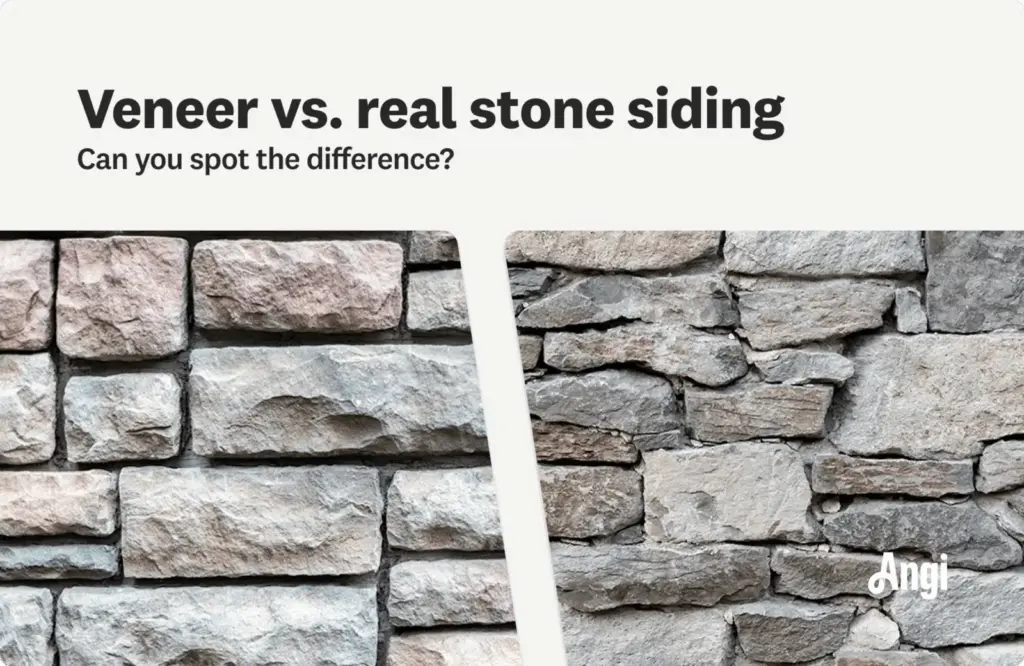
Stone veneer is a thin layer—usually ½ to ¾ inch—of manufactured or natural stone that is applied to walls, columns, and other architectural features. Unlike solid stone blocks, veneer panels are fabricated from concrete, polymer composites, or actual stone cut into thin slices. This makes them far lighter, reducing structural load and simplifying the mounting process.
Key distinctions include:
- Weight: Real stone can weigh up to 200 lb/ft², whereas veneer typically weighs 20‑30 lb/ft².
- Installation: Full‑depth stone often requires heavy equipment and professional masons; veneer can be installed with a standard drill, level, and adhesive.
- Cost: According to the 2026 report from the National Association of Home Builders (NAHB), veneer costs 30‑45 % less per square foot than authentic stone, even after accounting for labor.
Why Choose Stone Veneer for Your Exterior Renovation?
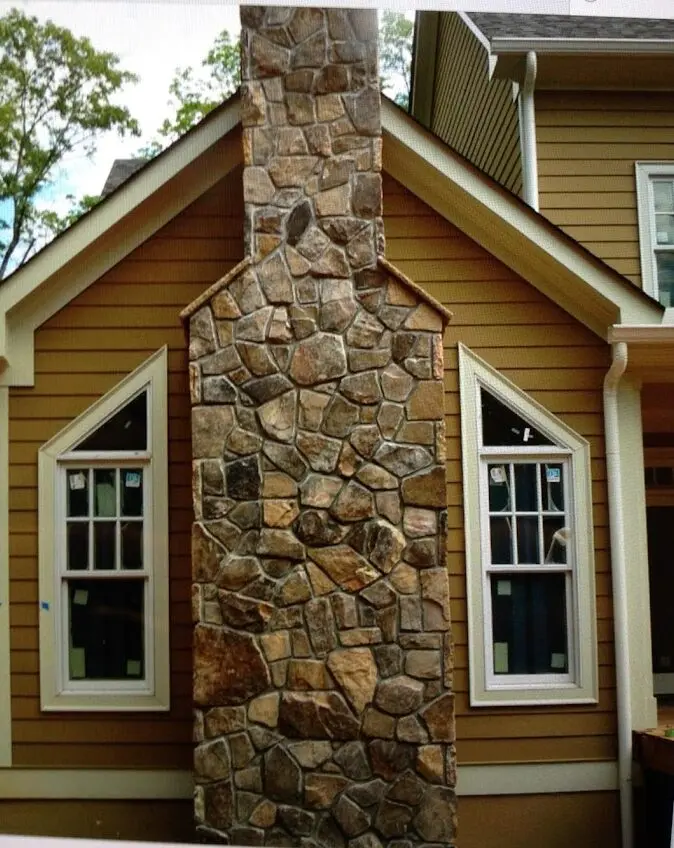
Homeowners in 2026 are increasingly looking for solutions that blend aesthetics with sustainability. Stone veneer delivers on both fronts, offering a natural stone look while being environmentally friendly and budget‑smart.
1. Weather‑Resistant and Low Maintenance
Modern polymer‑based veneers are engineered to resist water infiltration, freeze‑thaw cycles, and UV degradation. The U.S. Environmental Protection Agency notes that these products have a projected lifespan of 50+ years when properly sealed.
2. Design Flexibility
From rustic fieldstone to sleek stacked‑stone patterns, veneer comes in a myriad of finishes, colors, and shapes. This versatility allows you to match any architectural style—from farmhouse to modern minimalist—without the constraints of quarry‑specific stone availability.
3. Energy Efficiency
When installed over insulated sheathing, stone veneer adds an extra thermal barrier. A 2025 study by the Department of Energy (DOE) found that homes with stone veneer combined with R‑13 insulation reduced heating costs by up to 12 % in colder climates.
Cost Breakdown: What to Expect in 2026
Understanding the financial side helps you plan the project without surprises. Below is a typical cost range for a 1,500 sq ft exterior wall, based on data from the 2026 Remodeling Cost Survey by HomeAdvisor.
- Materials: $6‑$12 per sq ft, depending on finish and brand.
- Labor (if hired): $4‑$8 per sq ft for professional installers.
- Additional Supplies: Mortar, backer board, and sealant add $0.50‑$1.00 per sq ft.
DIY installation can cut labor costs by up to 70 %, but it requires careful preparation and adherence to manufacturer guidelines.
Step‑by‑Step Guide to Installing Stone Veneer (DIY Friendly)
Even if you’re a first‑time renovator, this process is manageable with the right tools and a systematic approach.
Materials and Tools Needed
- Stone veneer panels
- Exterior‑grade mortar or adhesive
- Backer board (e.g., cement‑fiber board)
- Level, measuring tape, and chalk line
- Hammer drill with masonry bit
- Safety gear (gloves, goggles, dust mask)
Installation Steps
- Prepare the Surface: Clean the wall, remove loose paint, and install a moisture‑resistant barrier if not already present.
- Apply Backer Board: Secure it with corrosion‑resistant screws, ensuring a flat, even surface.
- Mark the Layout: Use a chalk line to establish a level baseline; stagger joints for a natural appearance.
- Mix Mortar/Adhesive: Follow the manufacturer’s ratio—typically a 5‑minute set time for fast work.
- Attach Veneer: Press each panel firmly, tapping with a rubber mallet to embed it fully. Maintain a ¼‑inch joint spacing for grout.
- Grout and Seal: Fill joints with polymer‑modified grout, then apply a breathable sealant to protect against moisture.
- Final Inspection: Check for level and proper adhesion; touch up any gaps.
For those who prefer a professional hand, finding a qualified crew is straightforward. Our Vinyl Siding Contractors Near Me guide outlines how to vet local installers, a process equally applicable to stone veneer specialists.
Common Mistakes and How to Avoid Them
Even seasoned remodelers can stumble. Here are pitfalls that can compromise the look and durability of stone veneer.
- Skipping the Moisture Barrier: Without a proper WRB (Water Resistive Barrier), water can seep behind the veneer, leading to mold.
- Improper Mortar Mix: Using a mortar that’s too stiff reduces bonding strength; always follow the recommended water‑to‑mix ratio.
- Uneven Backer Board: Gaps or warps cause visible imperfections. Use a laser level for precise installation.
- Neglecting Expansion Joints: In regions with extreme temperature swings, failing to include movement joints can cause cracking.
Real‑World Case Study: Transforming a Mid‑Century Modern Home
In 2026, a homeowner in Portland, Oregon, replaced the original aluminum siding of a 1958 bungalow with stone veneer to boost curb appeal and resale value. The project, managed by a local contractor listed in our Siding Near Me 2026 guide, achieved the following results:
- Exterior aesthetic rating increased from 5/10 to 9/10 (based on a post‑renovation homeowner survey).
- Energy bills dropped by 8 % in the first winter after installation.
- Property appraisal reflected a $25,000 increase in market value, aligning with the NAHB’s 2026 average ROI of 12‑15 % for exterior upgrades.
Future Trends: What’s Next for Stone Veneer?
Industry analysts predict several innovations that will shape the stone veneer market through the late 2020s.
1. Eco‑Friendly Formulations
Manufacturers are increasing the use of recycled aggregates and low‑VOC binders. A 2025 study by the Green Building Council (GBC) shows that eco‑stone veneers can lower a project’s carbon footprint by up to 30 % compared with traditional concrete‑based products.
2. Integrated LED Lighting
New veneer panels embed fiber‑optic lighting channels, allowing homeowners to create accent lighting without external fixtures—a trend highlighted in the 2026 Architectural Design Trends report.
3. Smart Surface Coatings
Self‑cleaning nanocoatings are being tested to repel dust and algae, extending the low‑maintenance reputation of stone veneer even further.
Frequently Asked Questions
Can stone veneer be applied over existing siding?
Yes, provided the existing siding is sound and a proper moisture barrier is installed. This approach can save demolition costs and reduce waste.
How long does installation typically take?
A professional crew can finish a 2,000 sq ft exterior in 5‑7 days, while a DIY enthusiast might need 10‑14 days, depending on experience.
Is stone veneer fire‑resistant?
Most polymer‑based veneers meet ASTM E84 Class A fire‑rating, making them suitable for most residential codes.
What maintenance is required?
Annual inspection for cracks, re‑sealing every 3‑5 years, and gentle pressure washing are sufficient to keep the veneer looking fresh.
Conclusion: Is Stone Veneer Right for You?
Stone veneer delivers a high‑impact visual upgrade, weather resilience, and energy savings at a fraction of the cost of natural stone. Whether you’re a DIY homeowner eager for a weekend project or a seasoned contractor seeking a versatile cladding solution, the material’s adaptability and evolving technology make it a compelling choice for 2026 and beyond. Pair it with proper installation practices, a reliable moisture barrier, and a reputable installer—if needed—and you’ll enjoy a timeless façade that adds value and pride to your property.
Ready to explore more siding possibilities? Check out our Fiber Cement Siding 2026 guide for another durable, low‑maintenance alternative.
[ TITLE ]: Stone Veneer 2026: Ultimate Guide to Benefits, Costs, Installation & Future Trends
[ META_DESC ]: Discover the full 2026 stone veneer guide—benefits, costs, DIY steps, and future trends. Learn how to upgrade your home’s exterior today!
[ TAGS ]: stone veneer, exterior cladding, home renovation, DIY siding, 2026 trends
[ CATEGORY ]: general
