When homeowners start looking for reliable siding companies, they need clear criteria to compare experience, material expertise, and pricing without getting lost in endless advertisements. The most efficient way to narrow the field is to evaluate a contractor’s portfolio, certifications, and customer reviews while also confirming that they stay up‑to‑date with 2026’s energy‑efficiency standards and material innovations.
Why Choosing the Right Siding Company Matters in 2026
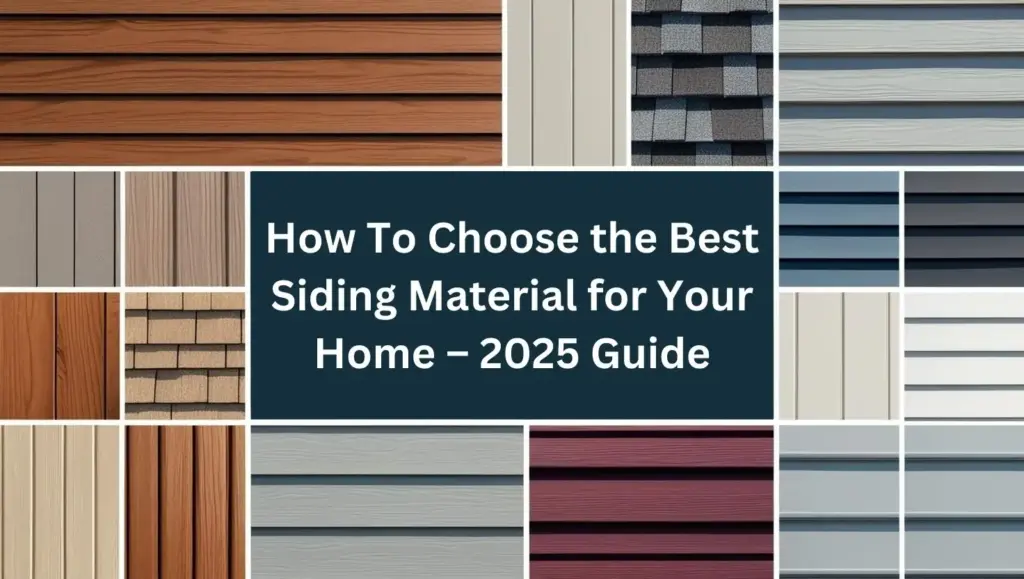
The exterior envelope of a house is the first line of defense against weather, pests, and energy loss. According to the 2026 report from the National Association of Home Builders (NAHB), homes with professionally installed, high‑quality siding see a 12‑15% reduction in heating and cooling costs. A mis‑matched or poorly installed system can lead to moisture intrusion, warped panels, and costly repairs that erode curb appeal and resale value.
Key Factors to Evaluate
- Licensing and Insurance: Verify state licensing and workers’ compensation coverage. A reputable firm will provide proof upon request.
- Material Specialization: Some companies focus on vinyl, while others excel with fiber‑cement or Hardie board. Choose a contractor who demonstrates expertise with the material you prefer.
- Installation Process: Look for a transparent timeline that includes prep work, flashing installation, and final inspection. Proper siding installation reduces the risk of gaps and water damage.
- Warranty Coverage: Industry leaders often offer combined manufacturer and labor warranties that can extend up to 20 years.
- Energy‑Efficiency Knowledge: In 2026, many local building codes reward homes that meet ENERGY STAR® criteria for exterior walls. A knowledgeable contractor can recommend insulated siding options that qualify.
Top Trends Shaping Siding Services This Year
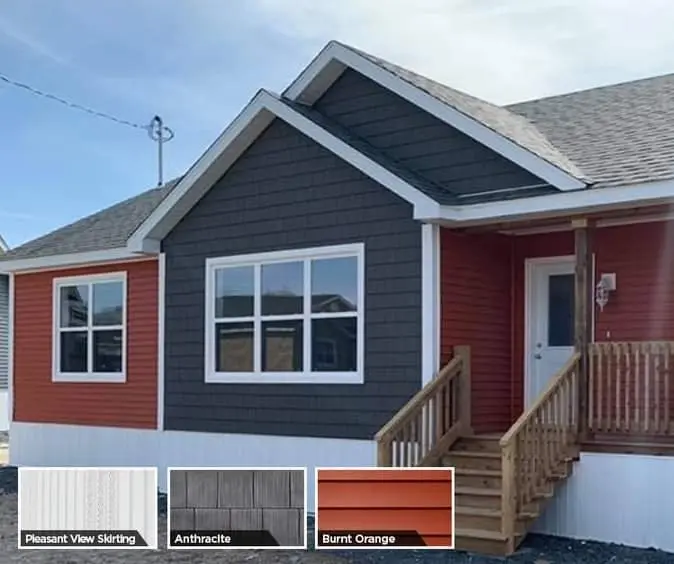
Homeowners are increasingly seeking sustainable and low‑maintenance solutions. Below are the three trends that are influencing how siding companies market their services.
1. Insulated Vinyl and Fiber‑Cement Siding
Insulated vinyl has become a bestseller because it combines the low‑cost appeal of traditional vinyl with a rigid foam backing that improves thermal performance. A recent survey by HomeAdvisor found that 48% of homeowners who replaced siding in 2026 chose insulated options, citing up to 8% lower energy bills.
2. Eco‑Friendly Materials
Recycled composite panels and sustainably harvested wood are gaining traction. The Environmental Protection Agency (EPA) reports a 22% increase in demand for eco‑friendly building products between 2025 and 2026, driven by stricter local ordinances and consumer awareness.
3. Smart Integration
Modern siding systems can now incorporate built‑in sensors for moisture detection and temperature monitoring. Companies partnering with smart‑home platforms provide homeowners with real‑time alerts, helping prevent water damage before it becomes visible.
How to Vet Siding Companies: A Step‑by‑Step Checklist
Following a systematic vetting process can save you from costly mistakes. Use the checklist below when contacting potential contractors.
- Request Detailed Estimates: Ask for line‑item breakdowns that separate material costs, labor, and any optional upgrades.
- Check References and Online Reviews: Look for patterns in feedback, especially regarding timeline adherence and post‑installation support.
- Inspect Past Projects: A reputable firm will have a gallery of recent jobs. Visiting a completed site can reveal the quality of workmanship and finishing touches.
- Confirm Material Certifications: For fiber‑cement, ensure the contractor is certified by James Hardie or an equivalent manufacturer.
- Discuss Maintenance Plans: Some companies offer annual inspections as part of a service contract, which can extend the lifespan of your siding.
Cost Considerations in 2026
Pricing varies widely based on material, square footage, and regional labor rates. Below is a snapshot of average costs per square foot, compiled from the 2026 Home Builder Cost Index (HBCI):
- Standard Vinyl Siding: $4.50 – $6.00
- Insulated Vinyl Siding: $6.50 – $8.50
- Fiber‑Cement (Hardie Board): $7.00 – $9.50
- Engineered Wood Siding: $6.00 – $8.00
Keep in mind that additional expenses such as removal of old siding, repair of underlying sheathing, and installation of new flashing can add 15‑25% to the base estimate.
Real‑World Example: A Successful Siding Upgrade
Consider the case of a suburban family in Austin, Texas, who hired a local siding company to replace their aging vinyl with insulated Hardie board. The contractor performed a thorough inspection, recommended a moisture barrier, and completed the project within a 10‑day window. Post‑installation, the homeowner reported a 9% reduction in HVAC energy consumption, verified by their utility provider’s 2026 data. The project also qualified for a city‑wide rebate program aimed at improving home energy efficiency.
Common Mistakes to Avoid
Even with a solid contractor, certain pitfalls can undermine the project’s success.
Skipping the Prep Work
Neglecting to replace damaged sheathing or failing to install proper flashing can lead to water infiltration. A 2025 study by the Building Performance Institute (BPI) indicated that 37% of siding failures were traced back to inadequate surface preparation.
Choosing the Cheapest Material Without Future Costs in Mind
While low‑cost vinyl may seem attractive, it often lacks the durability and insulation benefits of higher‑grade options. Over a 20‑year horizon, homeowners may spend more on repairs and energy bills than they saved upfront.
Not Verifying Warranty Terms
Some contractors offer limited warranties that exclude labor. Always read the fine print and confirm that the manufacturer’s warranty is transferable to future homeowners.
Finding the Right Siding Company Near You
Geographic proximity matters because local firms are more familiar with regional climate challenges and building codes. For a curated list of vetted professionals, see our guide on Find Top “Siding Companies Near Me” in 2026 – Expert Guide to Hiring, Costs & Future Trends. This resource highlights contractors with proven track records, transparent pricing, and strong customer satisfaction scores.
Integrating Siding Choices with Overall Home Design
When selecting a siding contractor, consider how the exterior finish will complement interior design plans. For example, the Hardie Board Siding 2026: Complete Guide to Benefits, Installation & Future Trends article explains how fiber‑cement panels can emulate the look of traditional wood while offering superior fire resistance—a crucial factor for homes in wildfire‑prone zones.
Similarly, the Vinyl Siding Guide 2026: Cost, Installation, Maintenance & Future Trends outlines how modern color palettes and texture options enable homeowners to achieve a sleek, contemporary façade without sacrificing durability.
Frequently Asked Questions
How long does a typical siding installation take?
For an average 2,000‑square‑foot home, most contractors complete the job within 7‑10 business days, assuming no major structural repairs are needed.
Do siding companies handle permits?
In most jurisdictions, a reputable siding company will secure the necessary building permits and schedule final inspections on your behalf.
Is siding a good investment for resale value?
According to the 2026 Real Estate Market Outlook from Zillow, a well‑executed siding upgrade can increase a home’s market value by 5‑7% and make it more attractive to buyers seeking low‑maintenance exteriors.
Can I combine different siding materials on one house?
Yes, but the transition must be carefully planned to ensure proper flashing and aesthetic cohesion. Many designers use a combination of fiber‑cement on the lower façade and vinyl accents higher up to achieve visual contrast.
What maintenance does new siding require?
Insulated vinyl typically needs an occasional power wash, while fiber‑cement may require a yearly inspection for sealant integrity. Most contractors offer maintenance packages that include cleaning and minor repairs.
Final Thoughts: Making an Informed Decision
Choosing the right siding company in 2026 is less about the lowest quote and more about aligning expertise, material knowledge, and long‑term support with your home’s specific needs. By vetting contractors through the checklist above, staying aware of current material trends, and leveraging reputable resources like our Ultimate Guide to Choosing Siding for House in 2026, you’ll ensure a durable, energy‑efficient exterior that protects your investment for decades.
