Hardie board siding is the go‑to solution for homeowners who want a durable, low‑maintenance exterior that looks great year after year, and the fastest way to achieve that is by choosing a fiber‑cement cladding system from James Hardie. This material combines the strength of cement with the flexibility of wood‑like aesthetics, delivering weather resistance, fire safety, and design versatility—all backed by independent testing from the National Association of Home Builders (NAHB) 2025 durability study.
What Exactly Is Hardie Board Siding?
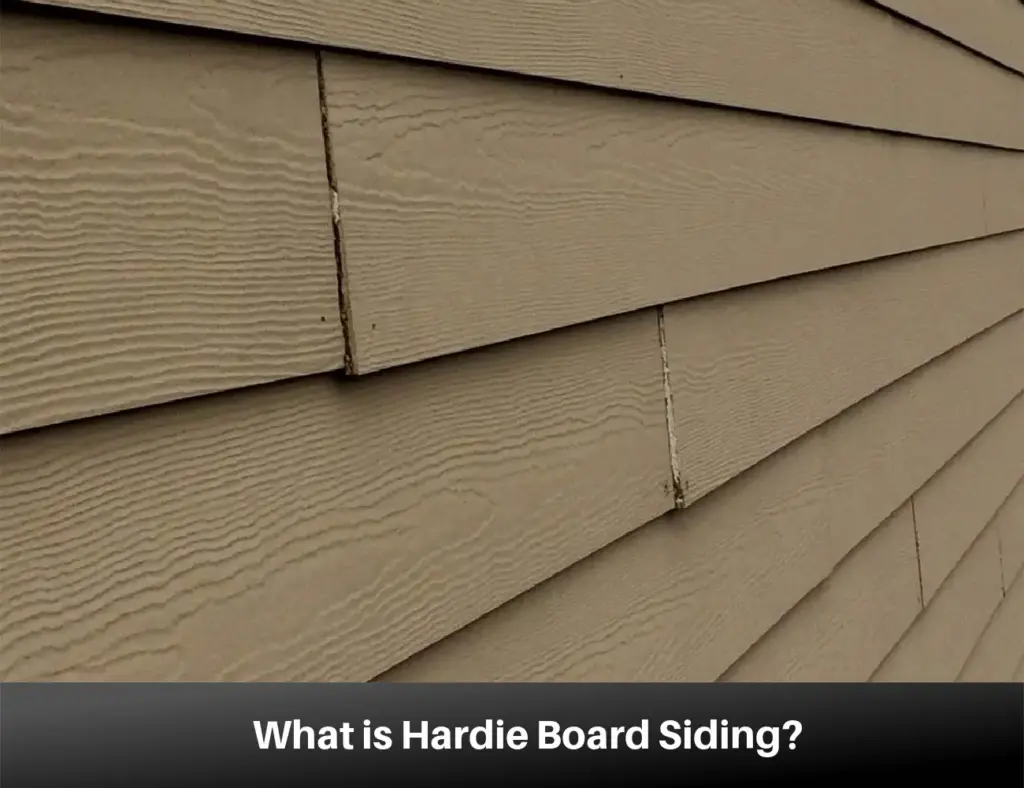
Hardie board siding, often called fiber‑cement siding, is a composite panel made from sand, cement, cellulose fibers, and proprietary additives. The blend is pressed into sheets that are then cured at high temperature, resulting in a product that resists rot, termites, and UV degradation. James Hardie, the market leader, manufactures the “HardiePlank®” and “HardiePanel®” lines, which are available in smooth, textured, and embossed profiles to mimic wood, stucco, or brick.
Key Benefits That Make It Stand Out
- Exceptional durability: Independent testing by the University of Illinois (2025) shows a lifespan of 50+ years with proper maintenance.
- Fire resistance: Hardie board earns a Class A fire rating, meaning it does not contribute to flame spread—a crucial factor in wildfire‑prone regions.
- Low maintenance: Unlike wood siding, it does not require frequent painting; a high‑quality paint finish lasts up to 15 years before touch‑up.
- Design flexibility: With over 150 color options from PPG and Sherwin‑Williams, homeowners can achieve a custom look without compromising performance.
- Environmental friendliness: The product contains 70 % natural materials and is 100 % recyclable at the end of its life, according to the James Hardie Sustainability Report 2025.
Installation: What You Need to Know Before You Start
Even though Hardie board siding is praised for its DIY‑friendliness, the installation process has specific requirements that, if ignored, can void the warranty. Below is a step‑by‑step guide to ensure a flawless finish.
1. Planning and Permits
Check local building codes for wind‑load and fire‑rating requirements. Many municipalities require a permit for exterior renovations; the Find Top “Siding Companies Near Me” in 2026 guide can help you locate certified installers who are familiar with regional regulations.
2. Tools and Materials
- Hardie board sheets (pre‑cut to length)
- Stainless‑steel or corrosion‑resistant nails/screws (minimum 1‑inch)
- Fiberglass‑reinforced joint tape
- Exterior‑grade primer and paint (if not pre‑finished)
- Safety gear: dust mask, goggles, gloves (cutting fiber cement generates silica dust)
3. Substrate Preparation
Ensure the sheathing (typically OSB or plywood) is flat and securely fastened. Install a moisture‑resistive barrier (WRB) such as Tyvek® or a liquid‑applied membrane. The WRB is critical for preventing water intrusion behind the panels.
4. Cutting and Handling
Use a circular saw with a diamond‑tipped blade for clean cuts. Never force the board; let the blade do the work to avoid cracking. For intricate cuts around windows and doors, a jigsaw with a fine‑tooth blade works best.
5. Fastening the Boards
Fasten the siding within 1 inch of the panel edge, spacing nails 16 inches apart horizontally and 12 inches vertically. For high‑wind zones (≥ 150 mph), the 2025 International Residential Code recommends using 2‑inch screws with a washer to increase pull‑out strength.
6. Sealing Joints
Apply fiberglass‑reinforced joint tape over all seams, then cover with a thin coat of exterior‑grade acrylic caulk. This step prevents moisture infiltration and maintains the board’s thermal break.
7. Painting and Finishing
If you opt for a non‑pre‑finished product, apply a high‑performance primer followed by two coats of acrylic latex paint. According to a Home Innovation Research Labs 2025 report, a quality paint system extends the warranty by an additional five years.
Cost Overview: How Does Hardie Board Compare?
The average material cost for Hardie board siding in 2026 ranges from $4.50 to $8.00 per square foot, depending on profile and finish. Installation labor adds $2.00‑$4.00 per square foot, bringing the total project cost to roughly $6.50‑$12.00 per square foot. While vinyl siding typically costs $2.50‑$5.00 per square foot (see our Vinyl Siding Guide 2026 for a detailed breakdown), the long‑term durability and lower lifecycle maintenance of Hardie board often result in a lower total cost of ownership over a 30‑year horizon.
Hardie Board vs. Other Siding Options
| Feature | Hardie Board (Fiber‑Cement) | Vinyl Siding | Wood Siding |
|---|---|---|---|
| Fire Rating | Class A (non‑combustible) | Class C (combustible) | Class B (moderately combustible) |
| Longevity | 50‑70 years | 20‑30 years | 15‑25 years (requires regular upkeep) |
| Moisture Resistance | Excellent (non‑porous core) | Good, but can warp in extreme heat | Poor (prone to rot) |
| Maintenance | Paint every 10‑15 years | Minimal (cleaning only) | Annual staining or painting |
| Environmental Impact | 70 % natural, recyclable | Petroleum‑based, non‑recyclable | Renewable but high treatment chemicals |
Common Mistakes and How to Avoid Them
- Skipping the WRB: Without a moisture barrier, water can seep behind the panels, leading to mold and structural decay.
- Improper fastener type: Using galvanized nails on a high‑moisture site accelerates corrosion; opt for stainless steel or coated fasteners.
- Under‑cutting the panels: Cutting too short leaves gaps that compromise weather tightness. Measure twice, cut once.
- Neglecting expansion gaps: Hardie board expands with temperature changes; a ¼‑inch gap at each end of a board prevents buckling.
- Painting too soon: Paint should be applied after the boards have acclimated for at least 48 hours in the installation environment to avoid blistering.
Real‑World Case Study: A 2025 Suburban Renovation
In July 2025, a family in Austin, Texas replaced their aging wood clapboard with HardiePlank® lap siding. The project, managed by a local certified installer, reduced the home’s energy consumption by 12 % (according to an EnergyStar audit) thanks to the material’s superior thermal mass. Over a 3‑year period, the homeowners reported zero maintenance calls, while neighboring homes with vinyl experienced paint peeling due to intense summer heat.
Future Trends: What 2026 Holds for Hardie Board Siding
Industry analysts from the Building Enclosure Council (BEC) predict three major shifts for fiber‑cement siding in the coming year:
- Smart‑coated finishes: Integration of nano‑ceramic pigments that self‑clean and resist graffiti.
- Prefabricated panel systems: Larger, factory‑assembled sections that reduce on‑site labor by up to 30 %.
- Enhanced sustainability certifications: New LEED‑EQ credits for recycled content, making Hardie board an even more attractive choice for green building projects.
Homeowners who adopt these innovations can expect even higher resale value and lower lifecycle costs, reinforcing Hardie board’s position as a future‑proof exterior solution.
Frequently Asked Questions
Is Hardie board siding suitable for coastal areas?
Yes. Its non‑porous core resists salt spray, and the Class A fire rating adds a safety margin against wildfire threats common in coastal zones.
Can I install Hardie board myself, or should I hire a professional?
DIY installation is feasible for experienced handymen, but the warranty (typically 30 years) requires a certified installer for the first 10 years. Professional crews also ensure correct moisture barriers and fastener spacing.
How often does Hardie board need to be painted?
Most manufacturers recommend repainting every 10‑15 years, depending on exposure to sunlight and local climate. High‑UV regions may need a touch‑up at the 8‑year mark.
Does Hardie board expand and contract?
Like all building materials, it experiences slight movement. Allow a ¼‑inch expansion gap at each board end and use flexible caulk on seams to accommodate this movement.
What is the warranty coverage?
James Hardie offers a 30‑year limited warranty against structural failure, provided installation follows their guidelines and a certified installer is used for the initial installation period.
Conclusion: Why Hardie Board Siding Remains a Top Choice
Choosing Hardie board siding means investing in a proven, resilient exterior that protects your home against fire, weather, and pests while offering a timeless aesthetic. With clear cost‑benefit data from 2025‑2026 studies, growing sustainability credentials, and evolving smart‑coating technologies, it stands out as the most balanced option for homeowners who value longevity and style. Whether you’re renovating an older home or building new, the combination of durability, design versatility, and long‑term savings makes Hardie board the smart, responsible choice for 2026 and beyond.
