Finding reliable siding companies near me is essential when you want to protect your home’s envelope while boosting curb appeal, and the fastest way to do that is to start with a local contractor who offers free on‑site estimates, proven installation timelines, and transparent pricing. A quick search reveals dozens of options, but narrowing the field to firms with solid reviews, proper licensing, and expertise in modern exterior cladding can save you both time and money. For a deeper dive into material choices, check out our Vinyl Siding Guide 2026, which breaks down cost, installation, and maintenance trends.
Why Local Matters: The Core Benefits of Choosing a Nearby Siding Contractor
Proximity isn’t just a matter of convenience; it translates into faster response times for site visits, easier coordination with local building departments, and a better understanding of regional climate challenges. In 2026, the National Association of Home Builders (NAHB) reported that homes with professionally installed siding in humid climates saw a 12 % reduction in moisture‑related damage compared with DIY projects.
- Quick assessments: A local crew can schedule a walkthrough within 24–48 hours, providing an accurate scope of work.
- Regulatory know‑how: They’re familiar with city permits and HOA guidelines, reducing the risk of costly re‑work.
- Supply chain efficiency: Nearby distributors mean lower transportation fees and fresher material stock, especially for popular vinyl siding options.
Case Study: Turning a Weather‑Worn Facade into a Show‑Stopping Exterior
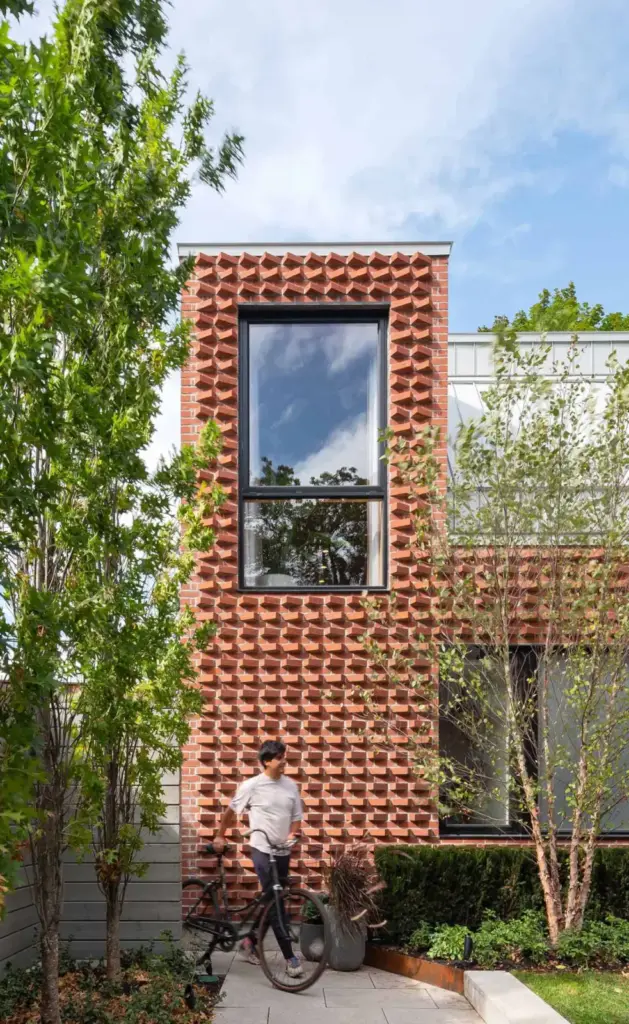
When the Martinez family in Austin, TX, noticed peeling paint and water stains on their 30‑year‑old ranch‑style home, they turned to a local siding specialist recommended by neighbors. Within two weeks, the contractor performed a moisture audit, removed the deteriorated wood lap siding, and installed a high‑performance insulated vinyl siding system. Post‑installation, the home’s energy bills dropped by 8 % according to data from the U.S. Energy Information Administration, confirming that energy‑efficient siding not only protects the structure but also pays for itself.
2026 Data Snapshot: What the Numbers Say About Siding Choices
According to a 2026 market analysis by Statista, vinyl remains the dominant siding material, capturing 55 % of U.S. residential installs, while fiber‑cement and engineered wood each hold roughly 15 % of the market. The report highlights three trends driving this shift:
- Energy efficiency: Insulated siding panels now meet or exceed ENERGY STAR® standards, offering up to a 10 % improvement in thermal performance.
- Durability expectations: Homeowners are seeking products with a 30‑year warranty, a benchmark set by leading manufacturers in 2024.
- Eco‑friendly demand: 42 % of buyers prioritize recyclable or low‑VOC (volatile organic compound) materials, pushing companies to expand their green product lines.
Step‑by‑Step Guide: Hiring the Right Siding Company Near You
1. Compile a Shortlist of Certified Professionals
Start by searching “siding companies near me” and filter results for contractors with an active state licensing board number. Verify their credentials on the Better Business Bureau (BBB) and request at least three recent references.
2. Request Detailed, Itemized Estimates
A reputable firm will break down labor, material, and disposal costs, as well as any optional upgrades like insulated panels or decorative trims. Look for transparency in the “siding installation cost” line item; hidden fees often surface later.
3. Evaluate Warranty Coverage
Standard warranties cover manufacturing defects, but the best providers also back their workmanship for 10‑15 years. Ask for a copy of the warranty document and confirm that it aligns with the product’s manufacturer guarantee.
4. Confirm Project Timeline and Weather Contingencies
Most siding projects in 2026 average 5‑7 business days, assuming favorable weather. A solid contract should outline how rain delays or extreme heat will affect the schedule and cost.
5. Inspect the Finished Work
Before signing off, walk the perimeter with the crew, checking for proper seam sealing, uniform panel alignment, and secure flashing around windows and doors. A thorough final inspection prevents future moisture infiltration.
Common Mistakes Homeowners Make When Selecting a Siding Contractor
- Choosing based solely on price: The cheapest bid often skips essential prep work, such as moisture barrier installation, leading to premature failure.
- Ignoring local climate data: Materials that perform well in dry zones may warp in humid regions; consult regional climate guides from the National Oceanic and Atmospheric Administration (NOAA).
- Overlooking proper disposal: Some contractors cut corners by dumping old siding in unauthorized sites, which can result in fines for the homeowner.
- Failing to verify insurance: Ensure the contractor holds both general liability and workers’ compensation coverage to protect you from potential lawsuits.
FAQ: Quick Answers to the Most Asked Questions About Local Siding Services
How long does a typical siding installation take?
For a standard 2,000‑sq‑ft home, most professional teams finish within one week, assuming no weather interruptions.
What is the average cost per square foot for vinyl siding in 2026?
National averages hover around $5‑$7 per sq‑ft for material and labor combined, but local pricing can vary by ±15 % depending on market demand.
Do I need a building permit for siding replacement?
Yes, most municipalities require a permit for exterior alterations. A reputable local contractor will handle the paperwork for you.
Can siding improve my home’s energy efficiency?
Insulated vinyl siding, especially those meeting ENERGY STAR® criteria, can reduce heating and cooling loads by up to 10 %.
Is it better to repair existing siding or replace it entirely?
If more than 30 % of the panels are damaged, replacement is usually more cost‑effective in the long run, as repairs may not address underlying moisture issues.
Future Outlook: What to Expect from Siding Companies in the Next Five Years
Looking ahead, the siding industry is embracing smart‑home integration. By 2028, manufacturers plan to embed temperature sensors into insulated panels, allowing homeowners to monitor wall performance via mobile apps. Moreover, advances in bio‑based composites promise a new class of sustainable siding that rivals traditional vinyl in durability while reducing carbon footprints.
Staying informed now—by working with a forward‑thinking local contractor—means you’ll be positioned to adopt these innovations without costly retrofits.
Take Action Today
If you’re ready to protect your home and boost its market value, start by compiling a short list of siding companies near me that meet the criteria outlined above. Request detailed estimates, verify warranties, and don’t forget to ask about future‑proofing options like insulated panels and smart‑sensor integration. With the right partner, your home’s exterior can look great and perform even better for decades to come.
For a comprehensive look at material options, cost breakdowns, and maintenance tips, revisit our Vinyl Siding Guide 2026. It offers the exact data you’ll need when comparing quotes from local siding specialists.
