Choosing the right siding for house is the most direct way to boost curb appeal, protect the structure from the elements, and improve energy performance—all in one step. Homeowners typically search for siding solutions when a renovation budget is set, when weather damage appears, or when they simply want a modern look that lasts. By understanding material options, cost drivers, and installation best practices, you can make an informed decision that adds value without surprise expenses. For a deeper dive into a popular choice, see our Hardie Board siding guide for 2026.
Understanding Different Types of Siding
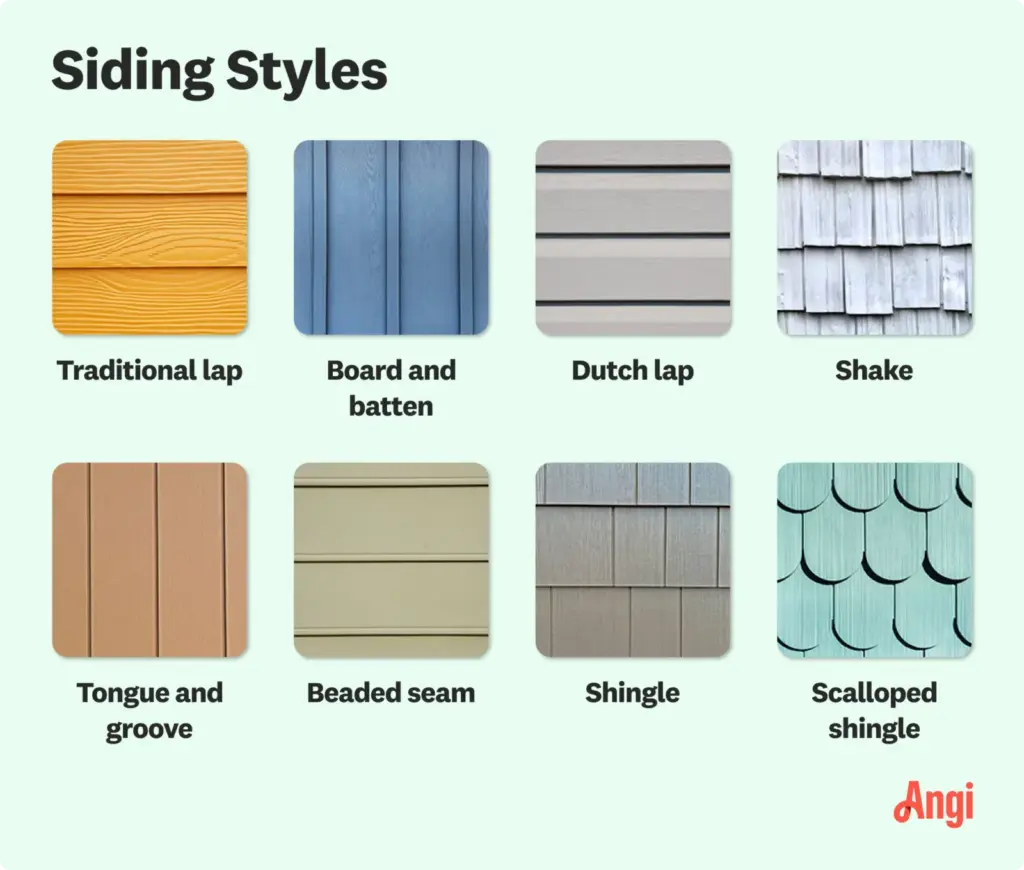
Siding comes in a variety of materials, each with distinct advantages and drawbacks. The market in 2026 is dominated by five main categories:
- Vinyl siding
- Fiber‑cement (often known by the brand name Hardie Board)
- Wood and engineered wood
- Metal (steel or aluminum)
- Composite and sustainable blends
These siding material options determine not only the visual style but also how well the exterior handles moisture, temperature swings, and UV exposure.
Vinyl Siding – The Popular Choice
Vinyl remains the most widely installed material in the United States, accounting for roughly 45 % of new residential projects, according to the 2025 Home Improvement Market Report by the National Association of Home Builders (NAHB). Its appeal lies in low maintenance, a wide color palette, and moderate price points ranging from $3 to $7 per square foot installed.
While vinyl is weather‑resistant, it can become brittle in extreme cold and may fade under intense sun. Modern formulations, however, incorporate UV inhibitors and flexible cores that extend lifespan to 30 years or more.
Fiber‑Cement (Hardie Board) – Durable and Fire‑Resistant
Fiber‑cement siding blends cement, sand, and cellulose fibers, delivering a material that mimics wood grain while offering superior durability. It resists rot, termites, and fire—earning a Class A fire rating. The Hardie Board siding guide shows that installation costs average $8–$12 per square foot in 2026, reflecting its premium positioning.
Because it is dense, fiber‑cement also serves as an energy‑efficient siding layer, reducing heat transfer and helping homeowners achieve lower utility bills.
Wood and Engineered Wood – Classic Aesthetics
Traditional wood siding delivers timeless charm, especially for historic homes. Engineered wood products, such as fiber‑capped panels, provide similar looks with added moisture resistance. However, wood requires regular painting, sealing, and inspection for rot. According to the 2025 American Wood Council, annual maintenance can add $0.30–$0.50 per square foot to the total ownership cost.
Metal Siding – Industrial Strength
Steel and aluminum panels are prized for their strength, lightweight nature, and recyclability. Metal siding can be coated with a polymer finish that offers weather‑resistant siding performance and can last 40–50 years. Its reflective surface also contributes to a cooler interior during hot summers, aligning with energy‑saving goals.
Composite & Sustainable Blends – The Green Frontier
New composite products combine recycled plastics, wood fibers, and mineral fillers. These materials aim to reduce landfill waste while delivering durability comparable to traditional options. The 2026 Sustainable Building Materials Index (SBMI) ranks several composites among the top three for low embodied carbon.
Choosing the Right Siding for Your Home

When selecting siding, consider the following criteria:
- Climate suitability: Coastal areas benefit from fiber‑cement or metal, while colder regions may prefer insulated vinyl.
- Budget constraints: Vinyl offers the lowest upfront cost; fiber‑cement and metal are mid‑range, while premium wood or composite can be higher.
- Energy efficiency: Look for products with R‑value ratings or integrated foam backing to improve insulation.
- Architectural style: Match the siding profile with the home’s era—colonial, modern, ranch, etc.
- Maintenance willingness: If you prefer “set and forget,” insulated vinyl or fiber‑cement are optimal.
Balancing these factors helps you avoid the common trap of choosing a material solely based on price, which can lead to higher long‑term expenses.
Installation Process – Step‑by‑Step
Professional installation remains the safest path to ensure performance and warranty compliance. Below is a condensed roadmap that most siding installation cost estimates follow:
- Inspection & preparation: Remove old siding, repair any damaged sheathing, and install a weather‑resistant barrier (WRB) such as house wrap.
- Flashing installation: Properly flash windows, doors, and roof intersections to prevent water infiltration.
- Measurement & cutting: Panels are measured on‑site and cut to fit, taking care to leave expansion gaps as per manufacturer guidelines.
- Panel attachment: Using corrosion‑resistant fasteners, panels are secured horizontally or vertically, depending on the material.
- Finishing touches: Trim, corner pieces, and caulking are added to seal edges and create a polished look.
- Inspection: A final walkthrough ensures all seams are sealed and the WRB is intact.
Skipping any of these steps—especially flashing—can void warranties and lead to costly water damage later.
Cost Considerations in 2026
According to the 2026 Remodeling Cost Survey by HomeAdvisor, the average siding installation cost across the United States ranges from $4.50 to $12 per square foot, depending on material and region. Below is a snapshot of typical price brackets:
| Material | Material Cost (per sf) | Installation (per sf) | Total Avg. (per sf) |
|---|---|---|---|
| Vinyl | $2–$4 | $2–$3 | $4–$7 |
| Fiber‑Cement (Hardie Board) | $5–$7 | $3–$5 | $8–$12 |
| Wood | $4–$6 | $3–$5 | $7–$11 |
| Metal | $6–$8 | $3–$4 | $9–$12 |
Labor rates vary widely; metropolitan areas can see $1–$2 extra per square foot compared to rural zones. For a typical 2,000 sf home, the total investment can range from $9,000 (basic vinyl) to $24,000 (high‑end fiber‑cement with insulation).
For an in‑depth breakdown of vinyl pricing, consult our Vinyl Siding Guide 2026, which includes regional adjustments and financing tips.
Maintenance and Longevity
Each siding type has its own upkeep schedule:
- Vinyl: Wash annually with mild detergent; replace damaged panels as needed.
- Fiber‑Cement: Repaint every 10–15 years to maintain color fidelity and protect against moisture.
- Wood: Re‑seal or repaint every 3–5 years; inspect for rot after severe weather.
- Metal: Inspect for denting; touch‑up paint if coating is compromised.
Manufacturers typically offer 20–30 year warranties for material, with some premium brands extending to 50 years when installed by certified contractors.
Common Mistakes to Avoid
Even seasoned DIYers can stumble. Here are the most frequent errors:
- Neglecting flashing: Water can seep behind the siding, leading to mold and structural rot.
- Improper expansion gaps: Siding expands and contracts; missing gaps cause buckling.
- Skipping a WRB: House wrap acts as a secondary barrier; omitting it compromises the building envelope.
- Using the wrong fasteners: Corroded or undersized nails strip quickly, reducing holding power.
- Underestimating labor: Trying to save by DIY often results in higher long‑term costs due to errors.
Frequently Asked Questions
What is the best siding for extreme weather?
Fiber‑cement and metal provide the most reliable protection against high winds, hail, and salt‑air corrosion. Both meet rigorous ASTM standards for impact resistance.
Can siding improve my home’s energy efficiency?
Yes. Insulated vinyl, fiber‑cement with integrated foam, and metal panels with reflective coatings can reduce heat loss by up to 15 %, according to the 2025 Energy Star Building Performance Database.
How long does installation typically take?
A professional crew can finish a 2,000 sf home in 5–7 business days, assuming existing siding removal is part of the scope.
Do I need a permit?
Many municipalities require a building permit for exterior envelope changes. Check local codes or consult a siding companies near me for guidance.
Future Trends in Siding (2026 and Beyond)
The siding industry is moving toward sustainability and smart integration:
- Recyclable composites: New blends use 80 % post‑consumer plastic, reducing landfill impact.
- Solar‑integrated panels: Thin‑film photovoltaic shingles can be combined with traditional siding, offering on‑roof power generation without compromising aesthetics.
- Self‑cleaning coatings: Nano‑technology coatings repel dirt and mold, extending maintenance intervals.
- Smart sensors: Embedded moisture and temperature sensors alert homeowners to potential leaks via mobile apps.
These innovations promise not only greener homes but also a higher return on investment for forward‑thinking homeowners.
Ready to upgrade your exterior? Start by researching reputable contractors—our expert guide to hiring siding companies near you walks you through cost, credentials, and future‑proof considerations. A well‑chosen siding system will protect your house, enhance its visual appeal, and pay dividends in energy savings for decades to come.
