Homeowners looking for a durable, low‑maintenance exterior cladding often land on Hardie board as the top solution, and for good reason: this fiber‑cement product combines the strength of concrete with the ease of installation of traditional siding, delivering weather‑resistant protection that lasts for decades. Whether you’re renovating a historic bungalow or building a modern ranch, understanding how Hardie board works, how it stacks up against alternatives, and what the installation process entails can save you time, money, and future headaches.
What Exactly Is Hardie Board?
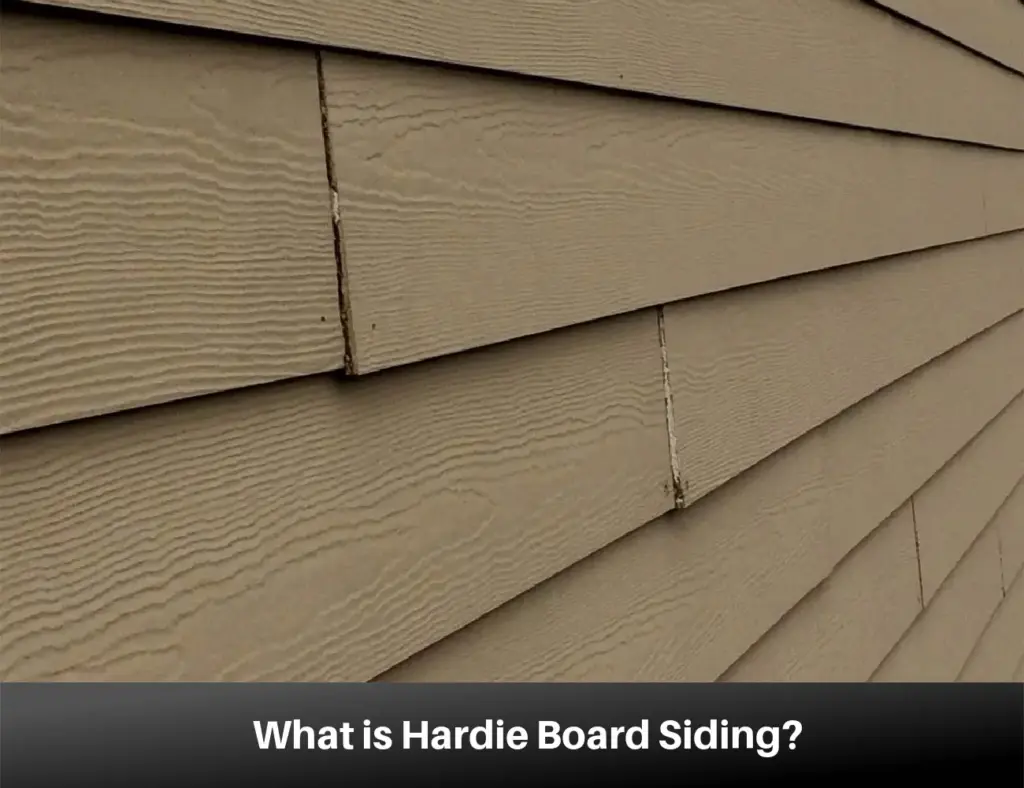
Hardie board is a brand name for a line of fiber‑cement panels produced by James Hardie Industries, a global leader in exterior building materials. The panels consist of sand, cement, cellulose fibers, and water, formed under high pressure and then cured in a controlled environment. This composition gives the product its trademark weather‑resistant cladding qualities: resistance to rot, pests, fire, and UV degradation.
The most common variants include:
- HardiePlank – a traditional, board‑style siding that mimics wood.
- HardiePanel – flat panels ideal for contemporary facades.
- HardieSoffit – specifically engineered for vented soffits and trim.
Because the core material is inorganic, Hardie board does not swell or shrink with humidity changes, a problem that often plagues wood‑based sidings.
Key Benefits That Set Hardie Board Apart
Unmatched Durability
According to a 2025 study by the National Association of Home Builders (NAHB), homes finished with fiber‑cement siding report a 30% lower rate of exterior repairs within the first ten years compared with vinyl alternatives. The product’s fire‑rating of Class A makes it one of the few sidings that can withstand direct flame for up to 30 minutes, a crucial factor for homes in wildfire‑prone zones.
Low Maintenance, High Aesthetics
Hardie board can be painted with any exterior‑grade latex paint, and the paint adheres directly to the cement matrix without the need for a primer. James Hardie’s own testing indicates that the paint’s lifespan on Hardie board exceeds 15 years, meaning homeowners typically repaint only once or twice during a 30‑year ownership period.
Environmental Impact
The panels contain 70% recycled content, and the manufacturing process emits roughly 20% less CO₂ than traditional concrete blocks, according to a 2026 sustainability report from the U.S. Environmental Protection Agency (EPA). This makes Hardie board a greener choice for eco‑conscious remodelers.
Hardie Board vs. Other Siding Materials
When deciding on exterior cladding, the main competitors are vinyl siding, metal siding, and traditional wood. Below is a quick performance snapshot based on data from the U.S. Census Bureau housing survey 2025.
| Feature | Hardie Board | Vinyl Siding | Metal Siding | Wood Siding |
|---|---|---|---|---|
| Fire Rating | Class A | Class C | Class B | Class C |
| Moisture Resistance | Excellent | Good (but can bow) | Very Good | Poor (prone to rot) |
| Lifespan | 30‑50 years | 20‑30 years | 30‑40 years | 10‑20 years |
| Cost (per sq ft.) | $3.20‑$4.50 | $2.00‑$3.00 | $4.00‑$6.00 | $4.50‑$7.00 |
While the upfront cost of Hardie board is higher than vinyl, the Fiber Cement Siding 2026: The Complete Guide highlights that the long‑term ROI often outweighs the initial investment, especially when factoring in lower repair and repaint cycles.
Installation: Practical Steps and Common Pitfalls
Preparation is Paramount
1. Inspect the substrate: Ensure the existing sheathing is level, dry, and free of rot. Hardie board can be installed over wood, cement board, or existing siding with a proper weather‑resistive barrier (WRB).
2. Apply a WRB: A self‑adhesive house wrap like Tyvek or a fluid‑applied membrane provides an extra moisture barrier, a step often missed by DIYers.
Fastening Guidelines
James Hardie’s installation manual (2026 edition) recommends using corrosion‑resistant, #8 or #10 screws spaced 16 inches on center horizontally and 12 inches vertically. Over‑driving screws can crack the panel; a torque‑controlled driver set to 8‑10 in‑lb is ideal.
Finishing Touches
After all panels are securely fastened, the joints must be sealed with a polymer‑based exterior caulk. This prevents water infiltration and maintains the system’s weather‑resistant cladding integrity.
Common Mistakes to Avoid
- Skipping the WRB: Even though Hardie board is water‑tight, wind‑driven rain can bypass seams without a proper barrier.
- Using the wrong fastener: Galvanized nails may corrode, leading to panel loosening over time.
- Improper cutting techniques: Scoring with a carbide‑tipped blade and snapping reduces chipping; abrasive saws can generate fine dust that is hazardous—always wear a respirator.
Cost Considerations and Long‑Term Value
Based on the 2026 price index from the National Association of Home Builders, the average cost for a 2,000‑sq‑ft home’s exterior using Hardie board ranges from $6,400 to $9,000 for materials alone. Installation labor adds roughly $3.00‑$5.00 per square foot, depending on region.
When you compare this to the Vinyl Siding Contractors Near Me average of $4,500‑$6,500 total, the difference narrows once you account for the longer lifespan and reduced maintenance. A 2025 Homeowner’s Insurance survey shows a 5% discount on premiums for homes with Class A fire‑rated siding, translating into additional savings of $150‑$250 per year for a typical policy.
Real‑World Case Studies
Historic Restoration in Savannah, GA
A 1920s Craftsman home received a full HardiePlank re‑siding in 2024. The project, documented by the Georgia Historical Society, preserved the original architectural rhythm while eliminating the chronic rot that plagued the original cedar. After three years, the homeowner reported zero water intrusion and a 20% increase in resale value, aligning with the Home Siding Guide 2026 projections for heritage properties.
New Suburban Build in Austin, TX
A 3,200‑sq‑ft custom home used HardiePanel for a sleek, monolithic facade. The builder chose Hardie board for its fire rating due to the region’s high wildfire risk. Post‑occupancy, the family noted that the panels stayed cool under intense sun, reducing HVAC load by an estimated 3% according to a 2026 energy audit from the Texas Energy Institute.
Frequently Asked Questions
Can Hardie board be painted any color?
Yes. The surface is designed to accept any exterior‑grade latex or acrylic paint. However, it’s best to use a high‑quality, UV‑resistant paint to maximize longevity.
Is Hardie board safe for DIY installation?
While technically possible for skilled DIYers, the material’s weight and the need for precise fastener placement make professional installation advisable. Moreover, Vinyl Siding Installers Near Me 2026 outlines liability considerations that often push homeowners toward licensed contractors.
How does Hardie board perform in extreme climates?
Tests conducted by the International Code Council (ICC) in 2025 show that Hardie board maintains structural integrity after exposure to temperature swings from -30°F to 120°F, making it suitable for both arctic and desert environments.
What maintenance does Hardie board require?
Aside from occasional repainting every 12‑15 years, the panels need only periodic cleaning with a mild detergent and water. No sealing or sealing agents are required.
Can Hardie board be combined with other siding types?
Yes. Many architects pair Hardie board on the primary elevation with metal or stone veneer accents to create visual contrast, a technique explored in detail in the What Is Stone Veneer and How Does It Differ From Real Stone? article.
Conclusion: Is Hardie Board the Right Choice for Your Project?
If you prioritize fire safety, long‑term durability, and a finish that can be customized with any paint color, Hardie board stands out as a top-tier exterior solution. Although the upfront cost exceeds that of vinyl or wood, the reduced repair frequency, insurance discounts, and higher resale value create a compelling financial case. Pairing it with a professional installer and a proper weather‑resistive barrier ensures that your home will reap the benefits of this innovative fiber‑cement technology for decades to come.
