When you walk into a well‑designed office, the first thing you notice isn’t the brand logo on the wall but the way the space makes you feel—focused, comfortable, and inspired. That instant impression is the result of intentional office interior design, a discipline that blends aesthetics, functionality, and employee wellbeing. By treating your workplace like a living system—where layout, lighting, furniture, and color all interact—you can boost productivity by up to 15 % according to the 2026 Global Workplace Study by the International Facility Management Association (IFMA).
Why Office Interior Design Matters in 2026
Modern businesses no longer view the office as a mere backdrop for work; it is now a strategic asset. Companies that invest in thoughtful design report lower turnover, higher employee satisfaction, and a stronger brand image. The shift toward hybrid work models has also amplified the need for flexible workspace layout that can accommodate both in‑person collaboration and solo focus.
Key Design Trends Shaping Offices This Year
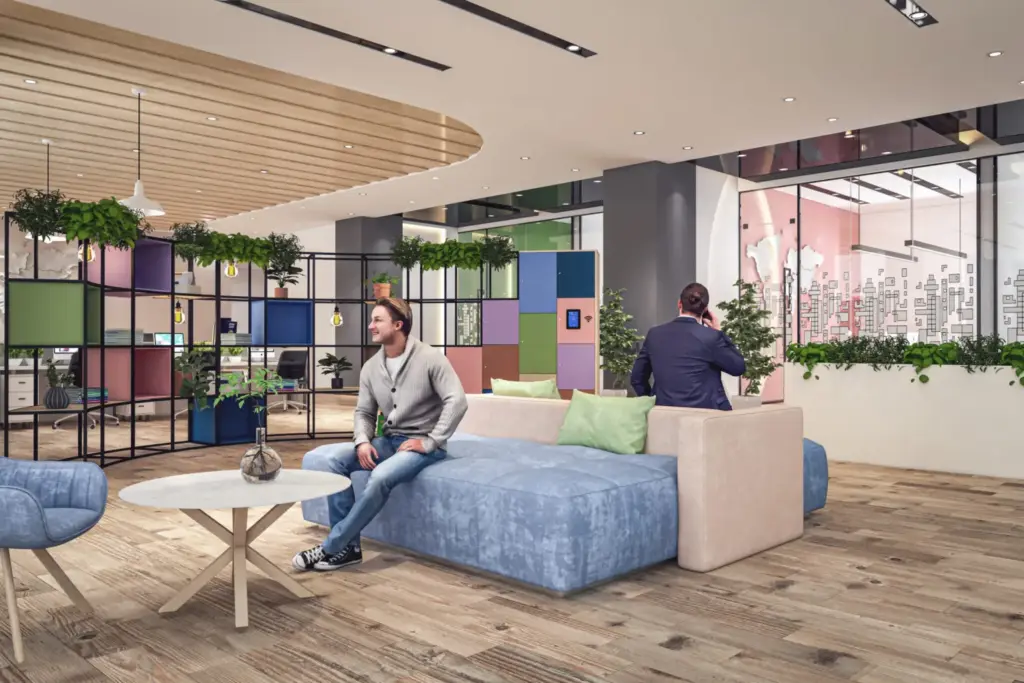
1. Biophilic Design – Bringing Nature Inside
Biophilic design isn’t just about adding a few potted plants; it’s a holistic approach that integrates natural light, organic materials, and living walls to mimic outdoor environments. A 2025 survey by the American Society of Interior Designers (ASID) showed that offices with biophilic elements saw a 12 % rise in employee mood scores and a 7 % decrease in reported eye strain.
2. The Evolving Open Office Concept
While the open office once meant rows of desks without walls, the 2026 iteration focuses on “open‑yet‑structured” spaces. Acoustic pods, low‑profile partitions, and modular furniture create zones for collaboration without sacrificing privacy. According to a study from Steelcase, teams that work in such hybrid zones produce 20 % more ideas than those in traditional cubicle farms.
3. Color Psychology – Choosing the Right Palette
Colors influence behavior more than we realize. Blue tones boost concentration, while muted greens foster calm. A 2024 report by the Color Association of the United States (CAU) recommends using a dominant neutral base (e.g., warm gray) and adding accent colors that align with company culture—think energizing orange for creative studios or trustworthy navy for finance firms.
4. Ergonomic Furniture – Health Meets Design
Investing in ergonomic chairs, sit‑stand desks, and adjustable monitor arms isn’t just about comfort; it’s a cost‑saving measure. The Occupational Safety and Health Administration (OSHA) estimates that ergonomic interventions can reduce musculoskeletal disorders by up to 30 %, translating into lower sick‑leave expenses.
Practical Steps to Transform Your Office
- Assess Your Current Space – Conduct a walkthrough with employees to identify pain points. Use a simple questionnaire that covers lighting, acoustics, and furniture comfort.
- Define Zones – Map out collaborative areas, quiet zones, and social hubs. A clear zone hierarchy supports both teamwork and deep work.
- Choose Materials Wisely – Opt for sustainable finishes such as reclaimed wood, low‑VOC paint, and recycled carpet tiles. These choices not only look good but also improve indoor air quality.
- Integrate Technology Seamlessly – Install wireless charging stations, smart lighting, and integrated AV systems that blend into the ceiling or furniture.
- Iterate and Adapt – Treat the office as a living prototype. Collect feedback quarterly and adjust furniture layouts or lighting levels as needed.
Common Mistakes to Avoid
Even well‑intentioned redesigns can fall short if you overlook these pitfalls:
Over‑crowding the Space
Trying to fit too many desks into a limited footprint leads to cramped aisles and reduced airflow. Stick to the “one employee per 100 sq ft” rule for comfort and compliance with fire safety codes.
Neglecting Acoustics
Open layouts amplify background noise. Without proper acoustic treatment—like ceiling baffles or carpeted flooring—concentration suffers, and meetings become noisy.
Ignoring Brand Identity
Design should reflect your company’s story. A tech startup might embrace bold, futuristic elements, while a law firm benefits from classic, refined finishes. Consistency between brand and interior fosters a cohesive experience for clients and staff alike.
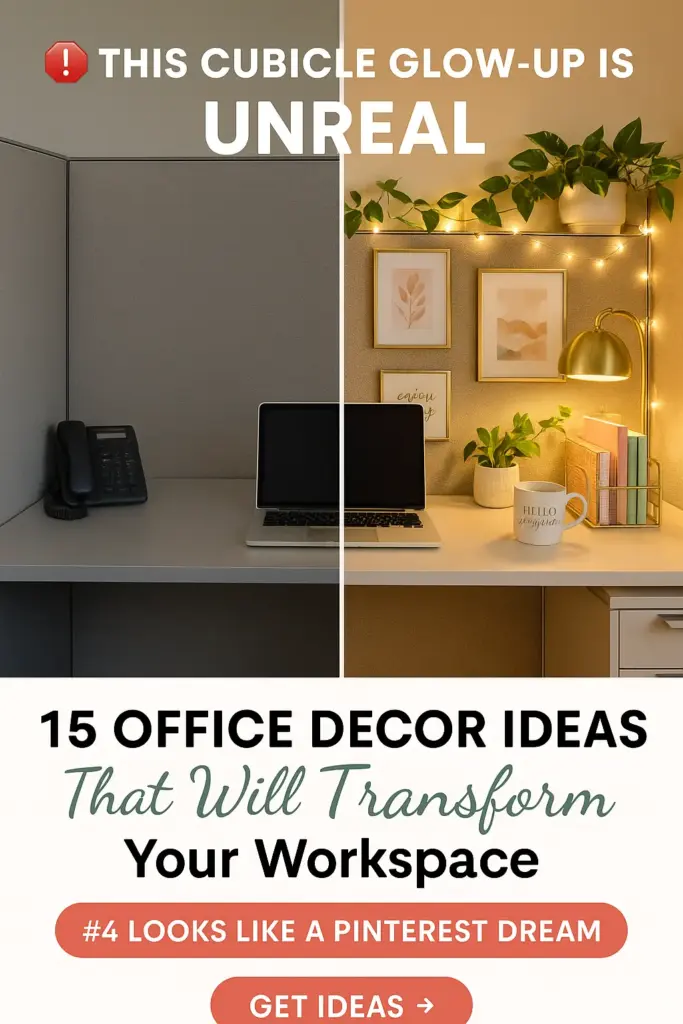
Case Study: From Dull Cubicles to a Dynamic Workplace
When a mid‑size marketing agency in Jakarta decided to revamp its headquarters, the leadership approached the project like they would a major renovation—much like selecting the right siding for a home. In fact, they consulted the Home Siding Guide 2026 for insights on material durability and cost‑effectiveness, applying similar principles to office finishes.
Key actions taken:
- Replaced old carpet with low‑maintenance, recycled‑fiber flooring that improved acoustics.
- Installed a living green wall in the reception area, boosting employee morale and impressing visitors.
- Implemented a modular furniture system that could be reconfigured for client workshops or internal brainstorming sessions.
- Adopted a color scheme of soft teal and warm gray, aligning with the brand’s creative ethos.
The result? A 25 % increase in employee engagement scores within six months and a 10 % rise in client conversion rates, according to the company’s internal KPI dashboard.
Budgeting Your Office Redesign
Effective design doesn’t have to break the bank. Here’s a rough cost breakdown for a 5,000 sq ft office, based on 2026 market data from the Construction Industry Institute (CII):
| Item | Average Cost (USD) |
|---|---|
| Ergonomic Furniture (per workstation) | $1,200 – $2,500 |
| Acoustic Treatments | $15,000 – $30,000 |
| Biophilic Elements (plants, walls) | $8,000 – $12,000 |
| Lighting (LED, smart controls) | $20,000 – $35,000 |
| Technology Integration | $10,000 – $18,000 |
For firms seeking cost‑effective solutions, consider phased implementation—start with high‑impact items like ergonomic chairs and lighting, then add aesthetic upgrades such as art or greenery over time.
Future‑Proofing Your Office
Looking ahead to 2027 and beyond, flexibility will dominate office design. Anticipate these developments:
- Adaptive Furniture: Pieces that transform from sit‑to‑stand to collaborative pods with a simple push of a button.
- AI‑Powered Space Management: Sensors that track occupancy and automatically adjust lighting or temperature.
- Health‑Centric Design: Integration of air‑purification systems and circadian lighting to support wellbeing.
Staying informed about emerging technologies helps you avoid costly retrofits later. A good reference point is the Aluminum Siding 2026 guide, which illustrates how material choices today affect long‑term maintenance—an analogy that works equally well for interior finishes.
Frequently Asked Questions
What is the ideal square footage per employee in 2026?
The IFMA 2026 benchmark recommends 100–120 sq ft per employee for hybrid environments, allowing space for personal workstations and shared collaboration zones.
How can I incorporate biophilic design on a tight budget?
Start with low‑cost options such as desk‑top succulents, a few large potted trees, and natural‑tone wall paint. Over time, upgrade to larger green walls or indoor water features as ROI becomes evident.
Do open office layouts still work for creative teams?
Yes, when paired with acoustic pods and clear visual zones. The key is to balance openness with opportunities for privacy, ensuring that focus‑intensive tasks aren’t disrupted.
What role does lighting play in employee productivity?
Natural daylight is the gold standard. Where it’s limited, use tunable LED systems that mimic the sun’s spectrum throughout the day, reducing fatigue and improving alertness.
How often should I update my office design?
Plan a major refresh every 5‑7 years, with smaller quarterly tweaks—like swapping artwork or adjusting furniture layout—to keep the environment fresh and responsive.
Getting Started: Your First 30‑Day Action Plan
- Week 1 – Audit: Conduct a quick survey and map out current zones.
- Week 2 – Visioning: Define brand‑aligned design goals; involve key stakeholders.
- Week 3 – Budget Draft: Use the cost table above to estimate expenses; prioritize high‑ROI items.
- Week 4 – Pilot: Implement a single change—like new ergonomic chairs or a biophilic element—and measure impact.
By following this roadmap, you’ll create an office environment that not only looks great but also drives measurable business results.
Conclusion
Office interior design is more than a cosmetic upgrade; it’s a strategic lever that influences employee health, brand perception, and bottom‑line performance. Embrace the 2026 trends—biophilic elements, refined open‑office concepts, thoughtful color psychology, and ergonomic furniture—to craft a workspace that feels alive and adaptable. Remember, the most successful offices are those that evolve with their people, just as a well‑chosen home siding evolves with the climate.
Ready to start your transformation? Explore our guide to finding reliable installers for a seamless project rollout, and watch your office become the catalyst for growth you’ve always envisioned.
