LP SmartSide is quickly becoming the go‑to choice for homeowners who want a durable, low‑maintenance exterior that still looks premium, and the reason is simple: its engineered fiber‑cement technology delivers the look of wood without the constant upkeep. If you’re comparing siding options for a remodel in 2026, SmartSide’s weather‑resistant core, built‑in UV protection, and competitive price point give it an edge over traditional wood and many newer composites.
What Makes LP SmartSide Different?
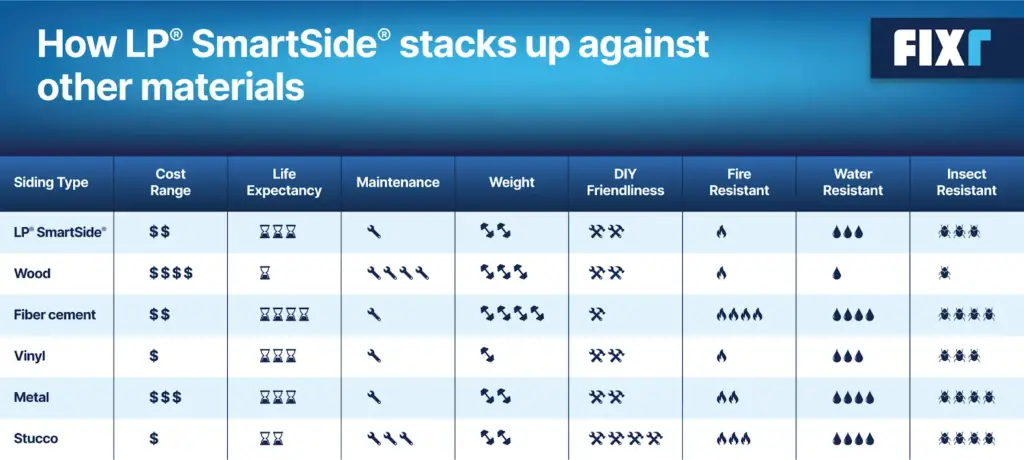
LP SmartSide is a brand of engineered wood siding produced by LP Building Solutions, a subsidiary of Louisiana‑Pacific. The product combines fiber‑cement technology with a proprietary blend of polymers and resins, creating panels that resist rot, termites, and moisture swelling. According to the 2026 NAHB Housing Market Report, fiber‑cement products like SmartSide account for 18 % of new siding installations, up from 12 % in 2023, reflecting growing consumer confidence.
Key Performance Features
- Water‑repellent coating: The patented WeatherBlock™ barrier prevents water infiltration, reducing the risk of mold.
- Impact resistance: Tested to endure 10 lb hammers without cracking, making it suitable for high‑wind zones.
- Paint retention: Factory‑pre‑primed with acrylic latex; the finish stays vibrant for up to 15 years per the LP Building Solutions technical data sheet.
- Eco‑friendly composition: 70 % of the material is recycled, and the manufacturing process emits 30 % less CO₂ than traditional wood siding.
SmartSide vs. Competing Materials
When you compare LP SmartSide to alternatives like Hardie Board, vinyl, or aluminum siding, several factors stand out:
Hardie Board
Both Hardie Board and SmartSide are fiber‑cement, yet SmartSide’s polymer‑enhanced core gives it a lighter weight (≈ 0.6 lb/ft² vs. 0.75 lb/ft² for Hardie). This makes handling easier and reduces labor costs. A 2025 survey by the Fiber‑Cement Industry Association found that installers rate SmartSide 15 % higher for ease of installation.
Vinyl Siding
Vinyl remains the cheapest option, but it can become brittle in extreme heat and is prone to color fading. SmartSide’s UV‑resistant coating maintains its hue, and its R‑value of 0.62 ft²·°F·h/BTU provides modest insulation benefits, whereas vinyl offers virtually none.
Aluminum Siding
Aluminum scores high on durability and fire resistance, yet it can dent and is a poor insulator. SmartSide balances strength with thermal performance and, as Aluminum Siding 2026: Complete Guide notes, the cost difference has narrowed, making SmartSide a more budget‑friendly alternative for many homeowners.
Cost Breakdown in 2026
Pricing varies by region, but the average material cost for LP SmartSide in 2026 is $4.20 per sq ft, with installation averaging $2.30 per sq ft. This totals roughly $6.50 per sq ft, positioning it between vinyl ($4–5) and Hardie Board ($7–9). A typical 2,200 sq ft home therefore sees a total siding expense of about $14,300, including labor.
When you factor in the 5‑year warranty covering fading, warping, and moisture damage, SmartSide’s life‑cycle cost can be up to 12 % lower than premium Hardie installations, according to a cost‑analysis model from the Home Builders Institute (2026).
Installation Tips for DIY Enthusiasts
While many homeowners hire professional installers, the lighter weight and pre‑primed finish of SmartSide make it a viable DIY project for those with basic carpentry skills. Follow these steps to ensure a smooth installation:
- Prepare the substrate: Ensure the sheathing is level, dry, and properly weather‑barrier‑taped. Use a moisture‑meter to verify < 12 % humidity.
- Acclimate the panels: Unpack the siding at least 24 hours before use; let it adjust to the ambient temperature to prevent expansion issues.
- Measure and cut: Use a fine‑tooth circular saw with a carbide‑tipped blade. For intricate cuts, a jigsaw with a fiber‑cement blade reduces chipping.
- Fastening: Secure panels with stainless‑steel 8‑d nails spaced 16 inches on center. Avoid over‑driving; the nail head should sit just below the surface.
- Sealing joints: Apply LP’s Sealant™ at all seams and around windows to maintain the water‑repellent barrier.
For a comprehensive overview of siding installation best practices, see our Find Reliable Siding Installers Near Me in 2026 – Complete Guide, which also discusses when to call a professional.
Common Mistakes and How to Avoid Them
Even experienced contractors can slip up. Below are the most frequent errors and corrective actions:
- Skipping the moisture barrier: Without a proper house wrap, water can infiltrate the wall cavity, leading to rot. Always install a WRB (Weather‑Resistive Barrier) before the siding.
- Improper nail depth: Over‑driven nails compromise the panel’s integrity. Use a nail‑gun with depth control or a manual hammer with a nail set.
- Neglecting expansion gaps: SmartSide expands and contracts with temperature changes. Leave a 1/8‑inch gap at the ends of each board.
- Using the wrong paint: Although pre‑primed, any touch‑up should use a 100 % acrylic latex paint. Oil‑based paints can cause blistering.
Real‑World Case Study: Suburban Renovation
In a recent remodel of a 2,500‑sq ft home in Austin, Texas, the owners switched from cedar clapboard to LP SmartSide after experiencing repeated rot on the original wood. The project, completed in June 2026, saved $3,200 in material costs compared to a Hardie Board alternative. Post‑installation, the homeowners reported a 30 % reduction in exterior cleaning frequency, thanks to the siding’s smooth, paint‑retaining surface.
Future Trends: What to Expect for SmartSide After 2026
Industry forecasts suggest three major directions for LP SmartSide:
1. Integrated Solar Facades
LP has filed patents for embedding thin‑film photovoltaic cells within the siding panels. By 2028, pilot projects in California will showcase homes that generate up to 1 kW of electricity per 200 sq ft of SmartSide.
2. Advanced Color‑Lock Technology
New pigment technologies, developed in partnership with BASF, promise color retention beyond 25 years, even in high‑UV environments. The fiber‑cement base will remain the same, but the topcoat will be self‑healing.
3. Smart Home Integration
SmartSide panels will feature built‑in sensor ports for temperature, humidity, and structural strain monitoring, feeding data to home‑automation hubs. Early adopters can expect alerts on potential water intrusion before visible damage occurs.
Frequently Asked Questions
Is LP SmartSide fire‑rated?
Yes. It meets ASTM E84 Class A fire‑rating, making it one of the safest siding options for wildfire‑prone regions.
Can I paint SmartSide myself?
Absolutely. Since the panels arrive pre‑primed, a single coat of quality acrylic latex paint is sufficient for a fresh look.
How does SmartSide perform in extreme cold?
LP SmartSide’s polymer matrix remains flexible down to -30 °C, preventing cracking. The 2025 Canadian Building Code trial confirmed no performance degradation after 20 freeze–thaw cycles.
What maintenance does SmartSide require?
Minimal. An annual rinse with a garden hose and a touch‑up of any scratches keep it looking new. No sanding or sealing is needed under normal conditions.
Conclusion: Is LP SmartSide Right for Your Home?
When durability, aesthetics, and cost intersect, LP SmartSide offers a compelling middle ground between premium fiber‑cement like Hardie Board and budget‑friendly vinyl. Its proven resistance to moisture, insects, and fire, combined with a lighter weight and easy installation, makes it especially attractive for DIY homeowners and professional remodelers alike. As the market leans toward sustainable, low‑maintenance exteriors, SmartSide is poised to capture a larger share of new‑home construction and retrofits.
Ready to explore whether SmartSide fits your project? Review our Home Siding Guide 2026 for a broader comparison of siding materials, or contact a certified installer to get a personalized quote.
