Homeowners turn to metal siding when they need a durable, low‑maintenance exterior that can survive harsh weather while adding a modern look; the best approach is to choose the right material, understand true installation costs, and work with a qualified contractor. For a quick overview of siding options, see our Home Siding Guide 2026 for pricing benchmarks and material comparisons.
Why Metal Siding Is Gaining Popularity in 2026
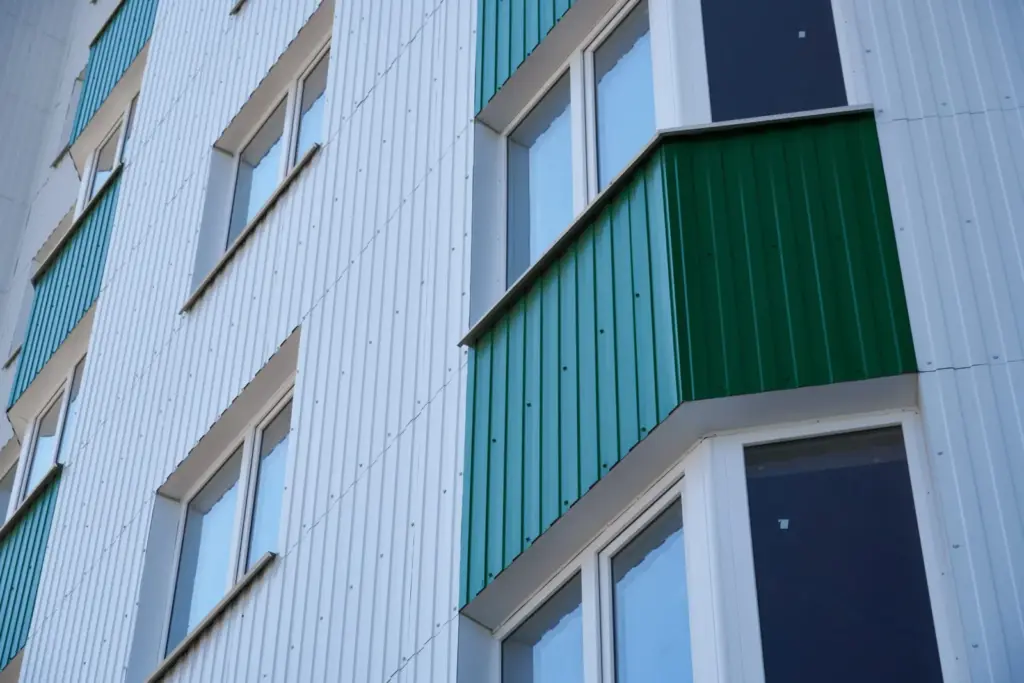
According to the 2026 Building Envelope Survey by the National Association of Home Builders (NAHB), metal siding installations rose 12 % year‑over‑year, driven by its superior weather resistance, energy‑saving properties, and sleek aesthetics. Homebuilders cite three main advantages:
- Longevity: Steel and aluminum panels can last 40‑50 years with proper coating.
- Energy efficiency: Metal’s reflective surface improves thermal performance, cutting cooling costs by up to 15 % in sunny climates (U.S. Department of Energy, 2025).
- Low maintenance: Unlike wood or vinyl, metal siding resists rot, insect damage, and fading, requiring only occasional washing.
Types of Metal Siding and Their Characteristics
1. Galvanized Steel Siding
Galvanized steel is coated with zinc to prevent rust. It offers excellent impact resistance, making it ideal for hurricane‑prone regions. Modern pre‑painted finishes now provide a palette of colors that rival any paint system. The average cost in 2026 ranges from US$5‑7 per square foot, including material and basic labor.
2. Aluminum Siding
Aluminum is lighter than steel, which reduces structural load and eases installation on older frames. It excels at resisting corrosion in coastal environments. For a deep dive on aluminum’s benefits, check our Aluminum Siding 2026 guide.
3. Copper and Zinc Cladding
Although premium priced (US$12‑18 per square foot), copper develops a patina that many designers love for historic renovations. Zinc offers similar aesthetics at a slightly lower cost and is fully recyclable, aligning with green‑building certifications.
4. Corrugated Metal Panels
Popular in industrial‑style homes, corrugated panels provide a distinctive texture and can be installed over existing siding, saving demolition labor. However, they may require additional insulation to meet energy codes.
Cost Breakdown: What Homeowners Should Expect
The total expense for metal siding depends on three variables: material choice, surface preparation, and labor rates. Below is a 2026 average based on data from HomeAdvisor and the NAHB:
| Component | Cost (USD) |
|---|---|
| Material (per sq ft) | $5‑18 |
| Removal of existing siding | $1‑2 |
| Installation labor | $3‑4 |
| Insulation & weather barrier | $0.75‑1.25 |
| Trim & flashing | $0.50‑1.00 |
Overall, a 2,000‑sq‑ft home can expect a total project cost between US$18,000 and US$45,000, depending on the selected metal and finish. Homeowners seeking cost‑effective options often choose pre‑painted steel, which balances durability with price.
Installation Process: From Prep to Finish
Step 1 – Inspection & Removal
Start with a thorough inspection of the existing wall sheathing. Any damaged plywood or moisture‑laden areas must be repaired before metal panels are applied. Professional contractors typically use a moisture meter; readings above 15 % indicate a need for remediation.
Step 2 – Weather‑Resistant Barrier (WRB)
Install a WRB such as Tyvek or a liquid‑applied membrane. This layer is crucial for preventing water infiltration while allowing vapor to escape, a requirement highlighted in the 2026 International Residential Code (IRC).
Step 3 – Panel Layout & Fastening
Panels are measured, cut to length, and fastened with corrosion‑resistant screws or concealed clips. For steel siding, a minimum of 1‑¼ in. screw spacing is recommended on studs to avoid “popping” under thermal movement.
Step 4 – Trim, Flashing, and Sealants
All edges, windows, and rooflines receive aluminum or steel trim, sealed with a high‑performance silicone sealant. Proper flashing prevents wind‑driven rain from seeping behind the panels.
Step 5 – Final Inspection
After installation, a certified inspector verifies that the siding meets local building codes and manufacturer warranty conditions. Many warranties, such as those from James Hardie, require a documented final inspection to remain valid for up to 30 years.
Choosing the Right Contractor
Finding a qualified installer is as important as picking the right material. The Find Reliable Siding Installers Near Me in 2026 guide outlines essential criteria: verified licensing, insurance, portfolio of metal projects, and references from recent clients. Homeowners should request a detailed quote that itemizes material, labor, and any additional costs like scaffolding or debris removal.
Common Mistakes and How to Avoid Them
- Skipping the WRB: Without a proper barrier, moisture can become trapped, leading to mold growth behind the metal.
- Using the wrong fasteners: Ordinary drywall screws corrode quickly, compromising the panel’s integrity.
- Neglecting expansion gaps: Metal expands and contracts with temperature changes; leaving a 1/8‑in. gap at panel seams prevents buckling.
- Under‑insulating: Metal conducts heat; adding rigid foam or mineral wool improves thermal performance and reduces noise.
Environmental Impact and Sustainability
Metal siding scores high on sustainability metrics. The Steel Recycling Institute reports that 90 % of steel used in residential construction is recycled content, and the recycling process saves up to 75 % of energy compared with primary production. Aluminum’s closed‑loop recycling also reduces landfill waste. Moreover, many metal panels are compatible with solar panel mounting systems, enabling homeowners to combine aesthetic upgrades with renewable energy generation.
Future Trends: What’s Next for Metal Siding?
Three emerging trends are shaping the market in 2026:
- Smart Coatings: Nano‑ceramic finishes provide self‑cleaning properties and enhanced UV resistance, extending the lifespan beyond 50 years.
- Hybrid Systems: Designers are pairing metal panels with insulated fiber‑cement backings to improve R‑values without adding bulk.
- Custom CNC‑Cut Patterns: CNC technology now allows homeowners to order laser‑etched designs, merging industrial aesthetics with bespoke artistry.
FAQ – Quick Answers for Homeowners
Can metal siding be painted after installation?
Yes, but it’s best to use a high‑quality, elastomeric exterior paint designed for metal. Pre‑painted panels eliminate the need for post‑install painting and retain factory warranties.
How does metal siding compare to vinyl in terms of fire resistance?
Metal siding is non‑combustible and receives a Class A fire rating, whereas vinyl can melt and emit toxic fumes under high heat.
Is metal siding suitable for cold climates?
When combined with proper insulation and a reflective WRB, metal siding performs well in cold zones, reducing heat loss and preventing condensation.
What maintenance does metal siding actually require?
Routine cleaning with mild detergent and a soft brush is sufficient. Inspect seams and fasteners annually for signs of corrosion, especially in coastal areas.
Conclusion: Is Metal Siding Right for Your Home?
Metal siding offers a compelling mix of durability, energy efficiency, and modern design that aligns with the 2026 push toward sustainable building. By selecting the appropriate material—whether galvanized steel for strength, aluminum for lightweight flexibility, or copper for historic charm—understanding the true cost structure, and partnering with a vetted contractor, homeowners can achieve a long‑lasting exterior that protects their investment for decades.
Ready to start planning? Explore our Top 2026 Guide to Hiring the Best Siding Companies for detailed contractor vetting tips and budgeting tools.
