Home siding is the first line of defense against the elements and the visual signature of any residence, so choosing the right material, installation method, and maintenance plan is crucial for long‑term comfort and curb appeal. In 2026, homeowners are increasingly looking for solutions that balance durability, energy efficiency, and style while staying within budget; this guide breaks down everything you need to know, from material options to cost estimates, and even how to locate reliable siding installers near you for a flawless finish.
Why Home Siding Matters: Core Benefits and Modern Expectations
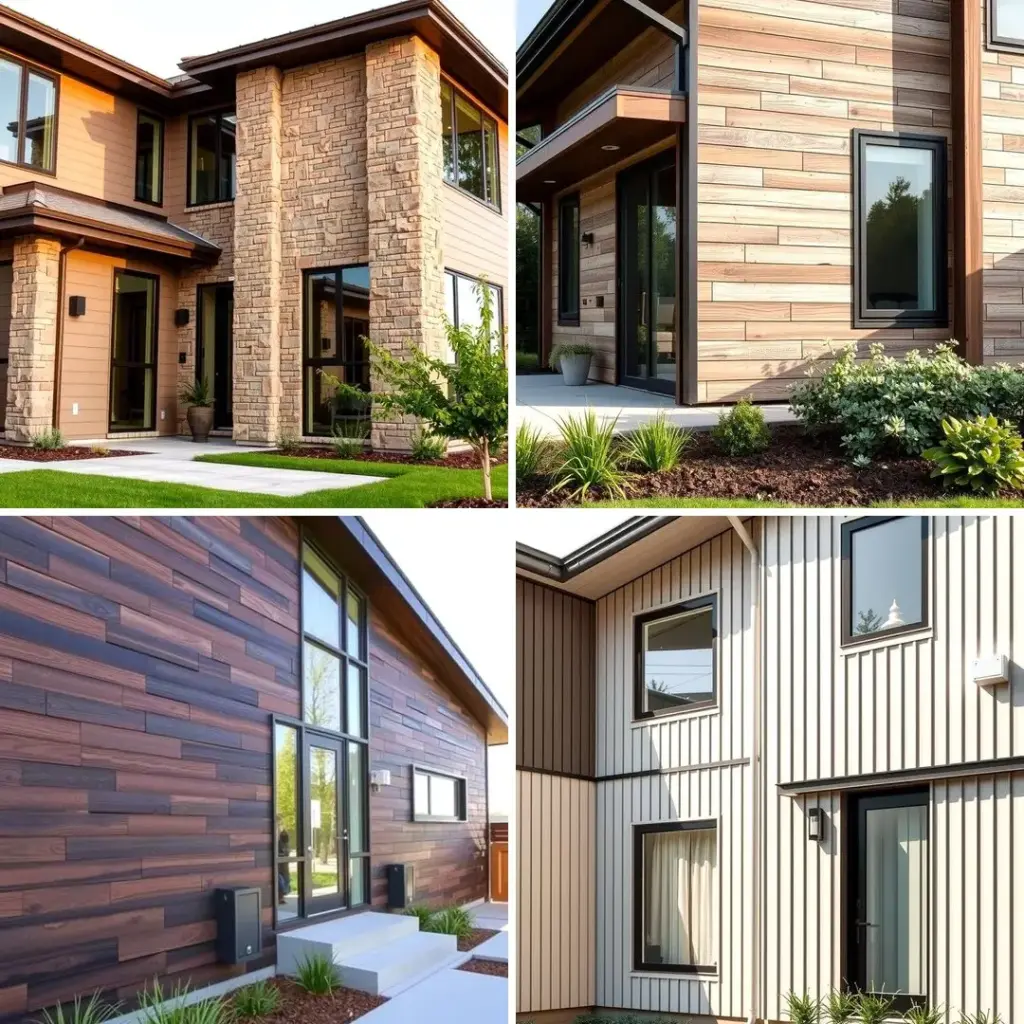
Beyond aesthetics, siding serves three essential functions: protecting the structural frame from moisture, insulating the interior to improve energy efficiency, and enhancing resale value. A 2026 study by the National Association of Home Builders (NAHB) showed that homes with upgraded exterior cladding sell for an average of 5%‑7% more than those with outdated materials. Moreover, modern siding systems incorporate advanced weather‑resistance technology that can reduce heating and cooling costs by up to 12%, according to the U.S. Department of Energy’s 2025 Energy Star report.
Key Performance Indicators to Evaluate
- Durability: Resistance to rot, insects, and impact.
- Energy Efficiency: R‑value, air‑tightness, and thermal break technology.
- Maintenance Requirements: Frequency of painting, cleaning, or repairs.
- Design Flexibility: Color palettes, textures, and architectural styles.
- Environmental Impact: Recyclability and embodied carbon.
Top Home Siding Materials in 2026
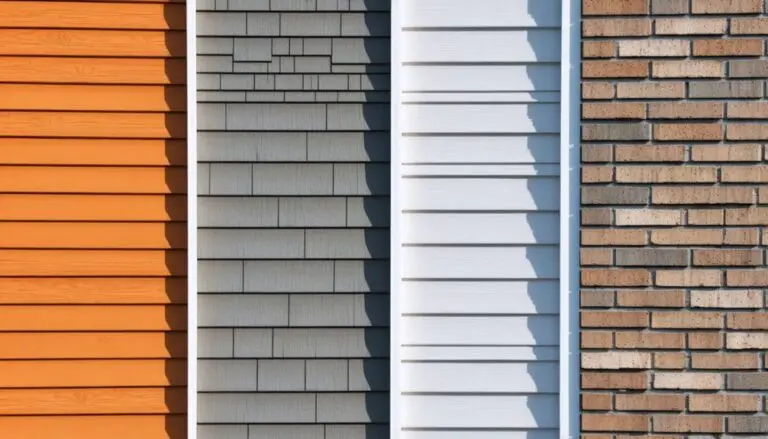
Each siding type offers a distinct blend of performance, price, and aesthetic potential. Below is a concise comparison that helps you match material attributes with your project goals.
Vinyl Siding – The All‑Rounder
Vinyl remains the most popular choice in the United States, accounting for roughly 35% of new siding installations in 2026 (Home Builders Institute). It is lightweight, low‑maintenance, and available in a broad array of colors that resist fading thanks to built‑in UV inhibitors. The Vinyl Siding Guide 2026 notes that the average cost ranges from $3 to $7 per square foot installed, making it a budget‑friendly option without sacrificing durability.
Fiber‑Cement (Hardie Board) – Strength Meets Style
Hardie Board continues to dominate the high‑performance segment because of its exceptional weather resistance and fire rating. According to the 2025 Consumer Reports Home Materials Survey, fiber‑cement siding can last up to 50 years with minimal upkeep. Its ability to mimic wood grain while providing a moisture barrier makes it ideal for coastal regions prone to salt spray.
Aluminum Siding – The Modern Metallic Finish
Aluminum’s lightweight nature and resistance to rust have made it a favorite for contemporary homes. The Aluminum Siding 2026 guide highlights its reflective surface, which contributes to lower cooling loads during hot summer months. Prices hover between $5 and $9 per square foot, reflecting its premium positioning.
Board and Batten – Rustic Charm with Modern Benefits
Board and batten siding, traditionally associated with farmhouses, is experiencing a resurgence thanks to its ability to add vertical emphasis and depth to façades. Modern engineered wood variants provide the classic look while offering improved rot resistance. The 2026 cost range is $4‑$8 per square foot, depending on the wood species and finish.
Calculating the True Cost of Home Siding
Understanding the full financial picture goes beyond the per‑square‑foot price tag. Below is a breakdown of typical expense categories for a 2,000‑square‑foot home.
| Expense Category | Typical Range (2026) |
|---|---|
| Materials (mid‑range vinyl) | $6,000 – $14,000 |
| Labor (licensed installers) | $4,000 – $8,000 |
| Prep work (removal, insulation upgrades) | $1,500 – $3,000 |
| Permits & inspections | $300 – $800 |
| Warranty extensions (optional) | $500 – $1,200 |
Overall, a complete siding overhaul can range from $12,300 to $26,800, with the exact figure depending on material choice, regional labor rates, and any additional upgrades such as insulated sheathing.
Step‑by‑Step Guide to Installing Home Siding
Whether you hire a professional crew or tackle a DIY project, following a systematic process ensures a lasting, weather‑tight envelope.
1. Assessment and Planning
- Inspect the existing exterior for rot, water damage, or pest activity.
- Measure square footage accurately; include windows, doors, and architectural features.
- Choose a material that aligns with climate demands—e.g., fiber‑cement for high humidity zones.
2. Procurement and Preparation
- Order materials with a 5% overage to cover waste.
- Remove old siding carefully to avoid damaging the underlying sheathing.
- Install a weather‑resistive barrier (WRB) such as Tyvek® if not already present.
3. Installation of Insulated Sheathing (Optional)
Adding rigid foam board or insulated vinyl panels can boost R‑value by 2‑3 points, directly contributing to the energy‑efficiency gains noted in the DOE’s 2025 analysis.
4. Mounting the New Siding
- Begin at the lowest point and work upward, overlapping each course by the manufacturer’s recommended amount.
- Maintain a level using a long carpenter’s level or laser level to avoid visual distortions.
- Secure panels with corrosion‑resistant fasteners; for aluminum, use stainless‑steel screws.
5. Detailing and Finishing
- Install trim around windows, doors, and corners to prevent water infiltration.
- Seal all joints with high‑quality caulk compatible with the siding material.
- Apply a final paint coat only if the product is not factory‑finished.
6. Final Inspection
Schedule a local building department inspection to verify code compliance and warranty eligibility. A thorough walkthrough also helps catch any missed fasteners or gaps before they become costly repairs.
Avoiding Common Mistakes
Even seasoned homeowners can stumble into pitfalls that compromise the siding’s lifespan.
- Skipping the WRB: Without a proper moisture barrier, water can seep into the wall cavity, leading to mold growth.
- Improper Fastener Spacing: Over‑tightening or using the wrong screw length can cause warping, especially with vinyl.
- Neglecting Expansion Gaps: All siding expands and contracts with temperature changes; ignoring this can cause buckling.
- Choosing Low‑Quality Paint: For painted wood or fiber‑cement, low‑grade paint fails to protect against UV degradation.
Real‑World Case Study: A Mid‑Century Modern Renovation
In March 2026, a homeowner in Portland, Oregon replaced outdated clapboard with insulated vinyl siding and added a thin layer of rigid foam board. The project, documented in the Ultimate Guide to Choosing Siding for House in 2026, resulted in a 15% reduction in heating bills and a 20% increase in the home’s appraised value within six months. The homeowner also noted that the new siding required only an annual power‑wash, eliminating the need for repainting altogether.
Future Trends Shaping Home Siding in the Next Decade
Industry forecasts from the 2026 Siding Innovation Report (published by the International Association of Architectural Metal Manufacturers) highlight three emerging directions:
Smart Siding with Integrated Sensors
Embedded humidity and temperature sensors will feed real‑time data to homeowners’ smart hubs, alerting them to potential leaks before damage occurs.
Eco‑Friendly Materials
Recycled aluminum and bio‑based fiber‑cement blends are gaining market share as sustainability becomes a purchasing priority for 68% of millennials, according to a 2025 Zillow consumer survey.
Customizable Textured Finishes via 3D Printing
Advancements in additive manufacturing allow manufacturers to produce on‑demand patterns that mimic stone, brick, or reclaimed wood, offering designers unprecedented flexibility without the weight penalty.
Finding the Right Siding Contractor
A high‑quality installation hinges on the expertise of the crew you hire. When vetting potential partners, consider the following criteria:
- License and insurance coverage specific to exterior work.
- Verified references and a portfolio of recent projects.
- Membership in professional bodies such as the National Association of the Remodeling Industry (NARI).
- Transparent pricing and a written warranty that covers both material and labor.
For a curated list of vetted professionals, consult the Top 2026 Guide to Hiring the Best Siding Companies, which evaluates contractors based on customer satisfaction scores, safety records, and price competitiveness.
Frequently Asked Questions (FAQ)
How long does home siding typically last?
Vinyl and aluminum can last 20‑30 years with proper maintenance, while fiber‑cement and engineered wood often exceed 40 years. Regular cleaning and prompt repair of damaged panels extend service life.
Can siding improve my home’s energy efficiency?
Yes. Insulated siding systems and added rigid foam sheathing can lower heating and cooling loads by up to 12%, as documented by the U.S. Department of Energy.
Is it possible to install siding myself?
DIY installation is feasible for experienced homeowners using vinyl or aluminum, but complex materials like fiber‑cement often require specialized tools and safety equipment. Improper installation can void warranties.
What maintenance does vinyl siding require?
Vinyl needs an annual wash with a garden hose and mild detergent. Inspect joints for loose fasteners after severe weather events.
Do I need a permit for siding replacement?
Most municipalities require a building permit for exterior envelope changes. Check with your local planning department before starting work.
Conclusion: Making an Informed Decision for Your Home
Choosing the right home siding is a balance of aesthetics, performance, and budget. By understanding material characteristics, cost structures, and the importance of professional installation, you can protect your investment and boost energy savings for years to come. Whether you opt for the low‑maintenance charm of vinyl, the rugged durability of Hardie Board, or the sleek modernity of aluminum, the key is to align the product with your climate, design aspirations, and long‑term maintenance preferences. With the right partner and a clear plan, your siding project will not only shield your home from the elements but also elevate its market value and curb appeal.
