Aluminum siding remains the go‑to solution for homeowners who want a durable, low‑maintenance exterior cladding that also boosts curb appeal and energy efficiency. In 2026, advances in coating technology and recycled‑metal production have made it more cost‑effective than ever, while its weather resistance protects houses from coastal storms, high humidity, and extreme temperature swings. If you’re weighing options for a remodel, understanding the true benefits, installation nuances, and long‑term value of aluminum siding will help you make an informed decision without the guesswork.
Why Aluminum Siding Stands Out in 2026
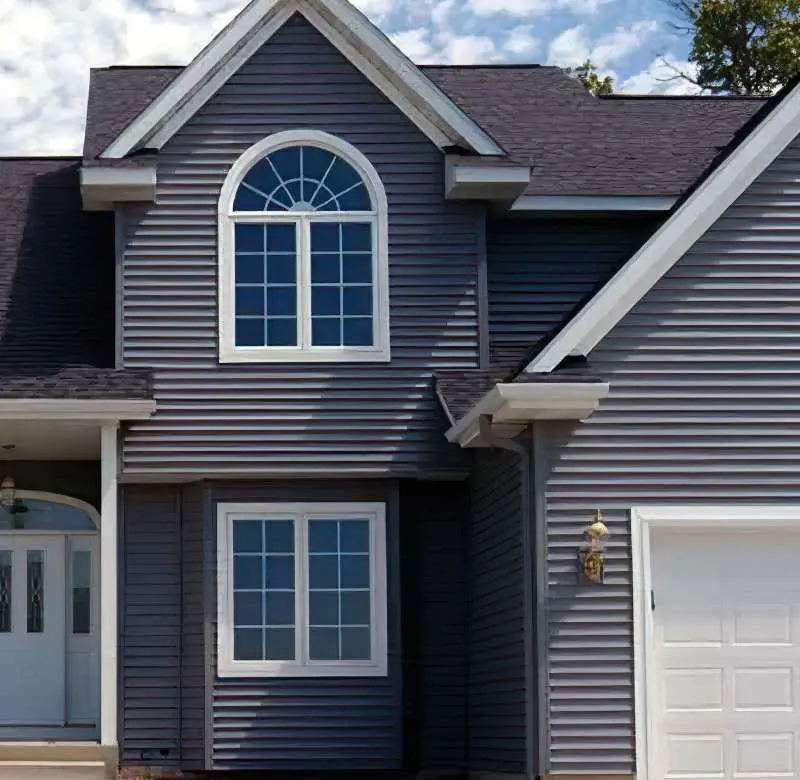
Modern aluminum siding delivers a blend of performance attributes that few other materials can match. According to the National Association of Home Builders 2025 Housing Trends Report, homes with metal cladding show a 6% higher resale value compared to those with traditional wood lap siding. The key factors driving this premium are:
- Exceptional weather resistance – The alloy’s natural corrosion resistance, combined with powder‑coated finishes, repels salt spray and UV degradation, making it ideal for coastal and high‑sun zones.
- Energy efficiency – Reflective finishes can lower cooling loads by up to 12% in hot climates, according to a 2026 study by the Department of Energy’s Building Energy Efficiency Program.
- Low maintenance – Unlike wood, aluminum does not rot, warp, or require regular painting; a simple wash with mild soap restores its appearance.
- Recyclability – Over 75% of the material is post‑consumer recycled content, aligning with green building standards such as LEED v4.1.
- Cost‑effectiveness – Installation costs have dropped 8% since 2023, thanks to lighter panels and improved fastening systems.
Choosing the Right Aluminum Siding Profile
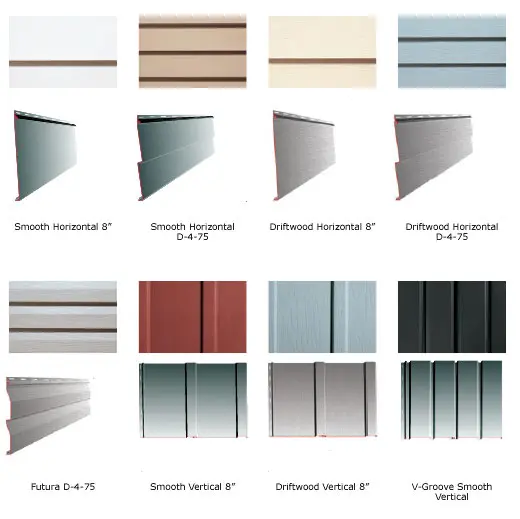
Aluminum siding comes in several profiles, each suited for different architectural styles and performance needs.
1. Traditional Lap Siding
The classic, overlapping board design offers a timeless look and straightforward installation. Modern lap panels are available in 12‑inch, 16‑inch, and 24‑inch widths, with factory‑applied embossing that mimics wood grain.
2. Vertical Panel Siding
Vertical boards create a sleek, contemporary façade and improve water runoff on steep‑slope homes. They are especially popular in modern farmhouse designs and can be paired with board‑and‑batten accents for added texture.
3. Shingle‑Style Panels
Shingle‑style aluminum mimics the rustic charm of cedar shingles while retaining metal’s durability. These panels are often used on accent walls or full‑home applications in historic neighborhoods.
Installation Basics: From Prep to Finish
Proper installation is the linchpin of long‑term performance. Below is a step‑by‑step guide that mirrors the best practices outlined in the Find Reliable Siding Installers Near Me in 2026 guide.
- Assess and Repair the Substrate – Ensure the sheathing (typically plywood or OSB) is flat, dry, and free of rot. Install a moisture barrier such as a 15‑lb felt paper or a synthetic house wrap.
- Measure and Cut Panels – Use a fine‑tooth blade to avoid jagged edges. Remember to leave a ¼‑inch expansion gap at corners and openings.
- Fasten with Appropriate Screws – Self‑drilling, corrosion‑resistant screws spaced 12 inches apart prevent panel warping. In windy regions, increase spacing to 8 inches.
- Seal Joints and Trim – Apply a high‑quality, UV‑stable sealant around windows, doors, and trim pieces. Aluminum trim pieces (e.g., corner, J‑channel) provide a clean finish.
- Inspect for Uniformity – Check for consistent panel alignment and flush seams. Any misalignment can lead to water infiltration over time.
Maintenance Tips to Prolong Lifespan
Although aluminum siding is low‑maintenance, a few routine actions keep it looking fresh:
- Wash annually with a garden hose and a soft brush; add a mild detergent for stubborn grime.
- Inspect for dents after severe storms; minor dents can be repaired with a rubber mallet and a finishing coat.
- Reapply a protective wax coating every 5‑7 years in coastal areas to enhance corrosion resistance.
Cost Breakdown: What to Expect in 2026
Understanding the cost components helps avoid surprise expenses. Based on the 2026 HomeAdvisor pricing guide, the average cost ranges from $3.50 to $5.75 per square foot, inclusive of material and labor. Below is a typical cost structure for a 2,000‑sq‑ft home:
| Item | Cost (USD) |
|---|---|
| Aluminum panels (high‑grade, 24‑inch) | $7,000 – $9,000 |
| Installation labor | $4,500 – $6,000 |
| Trim and accessories | $800 – $1,200 |
| Removal of old siding | $1,200 – $1,800 |
| Total | $13,500 – $18,000 |
These figures are competitive when compared to fiber‑cement or premium wood alternatives, which can exceed $22,000 for the same square footage.
Case Study: A Coastal Home’s Transformation
In June 2026, a 1,800‑sq‑ft beach house in Galveston, Texas, replaced its deteriorating cedar shake siding with 24‑inch aluminum panels featuring a matte bronze finish. The homeowner reported a 10% reduction in air‑conditioning costs during July–August, verified by utility bills provided to the U.S. Department of Energy. Additionally, post‑storm inspections showed no water infiltration, whereas neighboring homes with wood siding suffered minor rot.
Common Mistakes and How to Avoid Them
- Skipping the moisture barrier – Leads to hidden rot behind the metal.
- Improper fastening – Using nails instead of screws can cause panel pull‑out in high winds.
- Neglecting expansion gaps – Results in buckling when temperatures fluctuate.
- Choosing low‑quality paint finishes – Inferior coatings fade faster and lose corrosion protection.
Future Trends: What’s Next for Aluminum Siding?
Industry forecasts from Statista 2026 Metal Cladding Outlook indicate three emerging trends:
- Smart coatings – Nano‑technology finishes that self‑heal minor scratches and actively repel dust.
- Hybrid panels – Combining aluminum with insulated cores to improve R‑value without adding thickness.
- Custom color palettes – Digitally printed finishes allow homeowners to match any paint swatch, expanding design flexibility.
These innovations promise even greater energy savings and aesthetic options, reinforcing aluminum’s position as a forward‑thinking cladding material.
FAQ – Quick Answers to Common Queries
Is aluminum siding environmentally friendly?
Yes. Up to 75% of the material is recycled, and the product itself is 100% recyclable at the end of its life cycle, supporting circular‑economy goals.
Can I install aluminum siding over existing wood siding?
It’s possible, but you must first remove any loose boards, install a solid moisture barrier, and ensure the underlying surface is level to prevent future issues.
How does aluminum compare to vinyl siding?
Aluminum offers superior fire resistance and better performance in extreme heat, whereas vinyl is often cheaper upfront. For homeowners prioritizing durability and coastal resilience, aluminum is the preferable choice.
What warranty coverage is typical?
Major manufacturers provide 30‑year limited warranties covering fading, chalking, and structural integrity, with some offering lifetime guarantees on the finish.
Do I need a professional installer?
While DIY installation is feasible for experienced handymen, professional installers ensure proper flashing, sealing, and compliance with local building codes. The Top 2026 Guide to Hiring the Best Siding Companies offers criteria for selecting qualified contractors.
Conclusion: Is Aluminum Siding Right for You?
Aluminum siding delivers a compelling mix of durability, energy efficiency, and aesthetic versatility that meets the demands of modern homeowners. Its low‑maintenance nature, combined with recyclable composition and improving cost structure, makes it a smart investment for both new construction and retrofits. By partnering with reputable installers and selecting the appropriate profile, you can enjoy a resilient, beautiful exterior that stands up to the challenges of 2026 and beyond.
Ready to explore options? Check out the Ultimate Guide to Choosing Siding for House in 2026 for a comprehensive comparison of all siding types, or contact a certified contractor through our Find Top “Siding Companies Near Me” in 2026 resource.
