When your home’s siding shows cracks, warps, or faded panels, the most effective way to restore curb appeal and protect the structure is a full siding replacement, a process that not only updates the look but also boosts energy efficiency and resale value. By swapping out old material with modern, weather‑resistant options, you eliminate leaks, reduce maintenance costs, and meet today’s energy codes—all within a single project.
Why Replace Siding Now? The Core Benefits
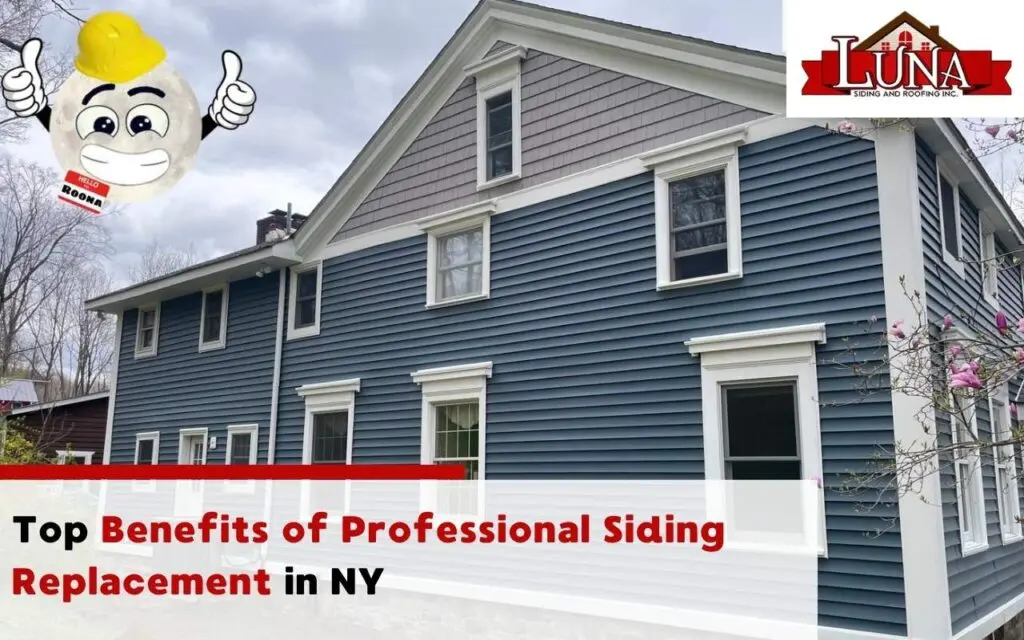
Homeowners in 2026 are increasingly motivated by three main drivers: durability, cost‑effectiveness, and sustainability. A recent National Association of Home Builders (NAHB) survey (2025) reported that 68 % of respondents would invest in exterior home renovation if it promised a measurable reduction in heating bills. New siding materials, such as fiber‑cement and insulated vinyl, offer R‑values up to 3.5, translating into noticeable energy savings.
- Leak prevention: Modern panels are designed with sealed joints that keep moisture out.
- Low maintenance: Unlike wood, contemporary options resist rot, insect damage, and fading.
- Increased property value: A 2025 Zillow analysis showed a 4‑6 % price boost for homes with recent siding upgrades.
Choosing the Right Material for Your Replacement

The market now offers a spectrum of choices, each with distinct performance traits. Your decision should balance budget, climate, and aesthetic preferences.
Fiber‑Cement (Hardie Board)
Hardie Board remains a top pick for its fire resistance and longevity. According to the Hardie Board Siding 2026: Complete Guide, the product can last 40‑50 years when properly maintained, and it tolerates extreme temperature swings—a critical factor in regions with harsh winters.
Vinyl Siding
Vinyl continues to dominate the market due to its affordability and ease of installation. The Vinyl Siding Guide 2026 highlights that insulated vinyl now offers a 30 % improvement in energy performance over standard panels, while still costing 20‑30 % less than fiber‑cement per square foot.
Engineered Wood
Engineered wood mimics the natural look of timber but resists rot thanks to a proprietary bonding process. It’s a solid middle ground for homeowners who love wood aesthetics but fear frequent upkeep.
Metal Siding
Aluminum and steel panels excel in coastal areas where salt air accelerates corrosion. Recent advancements in powder‑coat finishes have reduced denting and fading, making metal a viable, low‑maintenance alternative.
Cost Breakdown: What to Expect in 2026
Understanding the cost structure helps prevent budget overruns. Below is a typical range for a 2,000‑sq‑ft home, based on data from the HomeAdvisor 2025 cost report:
- Materials: $3‑$8 per square foot for vinyl; $5‑$12 for fiber‑cement; $4‑$9 for engineered wood.
- Labor: $2‑$4 per square foot, varying by region and crew experience.
- Additional expenses: Removal of old siding ($1‑$2 per sq ft), disposal fees, and optional insulation upgrades ($0.50‑$1 per sq ft).
Overall, a full replacement typically falls between $10,000 and $30,000, with financing options widely available through local lenders and even some siding manufacturers.
The Siding Installation Process: Step‑by‑Step
Even if you hire a professional crew, knowing the workflow ensures you can monitor quality and address issues promptly.
- Inspection & Planning: Contractors assess the substrate, identify rot or structural damage, and decide whether a moisture barrier is needed.
- Removal of Existing Siding: Old panels are stripped, often revealing hidden problems such as pest infestation or water intrusion.
- Substrate Repair: Damaged sheathing or insulation is replaced before new siding goes up.
- Installation of Weather‑Resistant Barrier (WRB): A WRB like house wrap adds an extra layer of protection against wind-driven rain.
- Panel Installation: Depending on the material, panels are either nailed (fiber‑cement, metal) or snapped together (vinyl). Proper flashing around windows and doors is critical.
- Finishing Touches: Trim pieces, soffits, and eaves are installed, then the entire facade is sealed and inspected.
Common Mistakes and How to Avoid Them
Even seasoned homeowners can stumble during a siding replacement. Here are the pitfalls most often reported in the Find Top “Siding Companies Near Me” in 2026 guide and strategies to sidestep them:
- Skipping the WRB: Without a proper moisture barrier, water can infiltrate the wall cavity, leading to mold. Always verify that a WRB is installed.
- Improper flashing: Misaligned or missing flashing around openings creates leak paths. Hire installers who follow the International Residential Code (IRC) details.
- Choosing the cheapest material without climate consideration: Vinyl may crack in extreme freeze‑thaw cycles; fiber‑cement is a safer bet for northern states.
- Neglecting to check for underlying rot: Old wood rot can spread beneath new siding, compromising structural integrity. Conduct a thorough inspection before removal.
Real‑World Case Study: A Mid‑Century Home in Texas
Homeowner Maria Gonzalez faced peeling vinyl and water stains after a severe summer thunderstorm. She opted for a complete siding replacement, selecting insulated vinyl for its cost‑effectiveness and the added R‑value. The project followed these steps:
- Removal of the original 12‑year‑old vinyl panels.
- Installation of a new 30‑mil house wrap and 1‑inch rigid foam insulation.
- Application of insulated vinyl with integrated trim.
- Final inspection confirmed a 12 % reduction in HVAC energy consumption during the first cooling season.
Maria’s experience mirrors a broader 2025 trend: homeowners who pair siding replacement with exterior insulation enjoy up to 15 % lower utility bills, according to the U.S. Department of Energy’s 2025 study.
Future Trends Shaping Siding Replacement in the Next Decade
Technology and sustainability are steering the industry toward smarter, greener solutions.
Smart Siding
Embedded sensors can now monitor temperature, moisture, and even impact damage, sending alerts to a homeowner’s smartphone. Early adopters report quicker repairs and prolonged material life.
Recycled & Bio‑Based Materials
Manufacturers are introducing panels made from recycled plastic and agricultural fibers, reducing carbon footprints while maintaining durability.
Integrated Solar Facades
Thin‑film photovoltaic cells can be incorporated directly into siding, turning the home’s exterior into a power generator without compromising aesthetics.
How to Choose a Reliable Siding Contractor
Finding a trustworthy installer is as crucial as picking the right material. Here’s a quick vetting checklist:
- Verify licensing and insurance with your state’s contractor board.
- Ask for at least three recent references and inspect completed projects in person.
- Ensure the estimate includes a detailed breakdown of labor, materials, and disposal fees.
- Confirm that the contractor follows the manufacturer’s warranty requirements—many warranties become void if improper installation is detected.
For a curated list of vetted professionals, see Find Top “Siding Companies Near Me” in 2026. The guide outlines interview questions and red flags to watch for.
Frequently Asked Questions
How long does a siding replacement typically take?
For a standard 2,000‑sq‑ft home, the process usually spans 7‑10 business days, assuming no extensive substrate repairs are needed.
Will replacing siding improve my home’s energy rating?
Yes. Adding insulated panels or exterior foam can raise the overall R‑value of the wall assembly, often resulting in a 5‑15 % improvement on ENERGY STAR assessments.
Can I replace siding myself?
DIY is possible for experienced handymen, especially with vinyl, but most experts recommend professional installation to ensure proper flashing and warranty compliance.
What’s the best time of year for siding replacement?
Late spring through early fall offers optimal weather conditions—dry and moderate temperatures reduce the risk of moisture entrapment.
Bottom Line: Is a Siding Replacement Worth It?
Considering the combined benefits of enhanced durability, energy savings, and boosted resale value, a siding replacement is a strategic investment for most homeowners. By selecting the right material, budgeting realistically, and partnering with a certified contractor, you can transform an aging facade into a modern, resilient shield that protects your home for decades to come.
Ready to start planning? Explore the Ultimate Guide to Choosing Siding for House in 2026 for a deeper dive into material comparisons, cost calculators, and emerging trends.
