Homeowners search “gutter leaf guard” because clogged rain gutters are the #1 cause of water damage, roof leaks, and costly foundation repairs. Installing a leaf guard eliminates debris blockage at the source, ensuring that storm water flows freely and the home’s envelope stays dry. In 2026, modern leaf‑catcher systems combine durability with low‑maintenance design, and many experts recommend pairing them with professional siding work for a fully protected exterior. For a seamless upgrade, consider hiring reliable siding installers near you who can coordinate gutter protection with siding installation.
What Exactly Is a Gutter Leaf Guard?
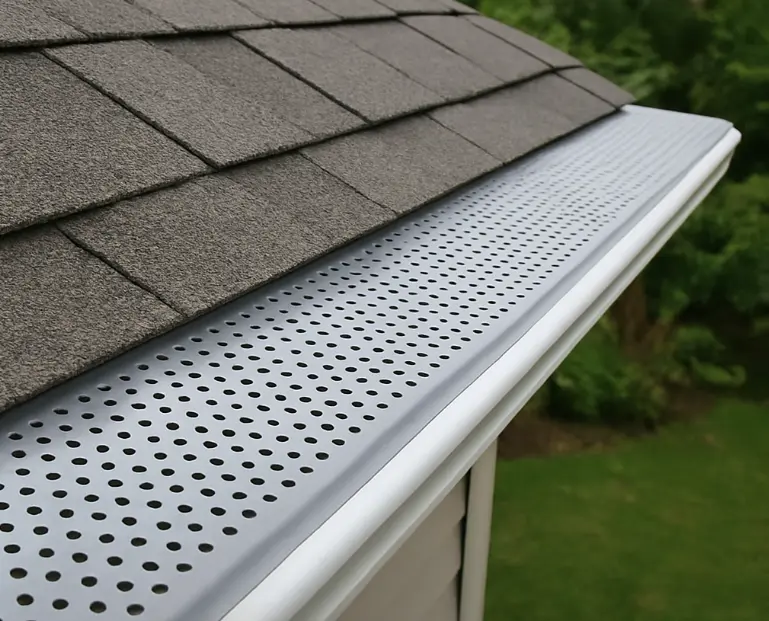
A gutter leaf guard—also called a rain gutter protector or debris screen—is a device that fits over or inside the gutter to stop leaves, pine needles, twigs, and other organic matter from entering the channel while still allowing water to pass. The guard creates a physical barrier, reducing the need for frequent gutter cleaning and extending the lifespan of the entire rainwater management system.
Why Homeowners Need Leaf Guards in 2026

- Prevent Water Damage: According to the Natural Resources Canada 2025 report, homes with clogged gutters are 30% more likely to develop roof rot and basement flooding.
- Lower Maintenance Costs: A survey by the Homeowner Association of America (HOA) in 2026 found that homeowners who installed leaf guards saved an average of $350 per year on professional cleaning services.
- Improved Energy Efficiency: When gutters function properly, they keep walls dry, reducing mold growth that can degrade insulation performance.
- Enhanced Curb Appeal: Clean, streamlined gutters complement modern siding options, creating a cohesive look that can boost resale value.
Types of Gutter Leaf Guards Available Today
1. Surface‑Tension (Mesh) Guards
These are fine metal or polymer screens that sit atop the gutter. Water flows through the tiny openings, while leaves bounce off. Mesh guards are popular for their affordability and easy DIY installation.
2. Reverse‑Curve (K‑Style) Guards
Designed with a curved hood, water follows the contour and drops into the gutter, whereas debris slides off the edge. This style works best on steep‑slope roofs and is often used in regions with heavy leaf fall.
3. Gutter Inserts (Foam or Brush)
Foam inserts sit inside the gutter, acting like a sponge that traps larger particles. Brush inserts have bristles that filter debris while allowing water flow. Both are simple to install but may need replacement after several seasons.
4. Magnetic or Snap‑Fit Systems
These newer solutions use magnetic strips or snap‑fit clips to attach a rigid cover directly onto the gutter lip. They provide a sleek, low‑profile appearance and are especially compatible with aluminum or vinyl gutters.
How to Choose the Right Leaf Guard for Your Home
Choosing the best system involves balancing climate, roof pitch, gutter material, and budget. Follow these criteria:
- Climate Considerations: In humid, high‑rainfall zones, opt for a reverse‑curve guard that can handle large volumes of water without overflow. In drier, leaf‑heavy areas, mesh or foam inserts work well.
- Gutter Compatibility: Some guards fit only K‑style profiles, while others are universal. Verify the product specifications against your existing gutter dimensions.
- Durability: Look for UV‑stabilized aluminum or stainless steel to resist corrosion. In coastal regions, marine‑grade materials are advisable.
- Installation Method: If you prefer a DIY project, mesh and foam options are quickest. For a seamless, professional finish, consider magnetic or snap‑fit systems installed by a contractor.
- Cost vs. Longevity: While reverse‑curve guards carry a higher upfront price, their lifespan often exceeds 15 years, offsetting the initial expense.
Step‑by‑Step Installation Guide (DIY Friendly)
- Assess Your Gutter System: Measure the length and width of each gutter run. Note any low spots or sagging sections that may need repair before adding a guard.
- Choose the Guard Type: Based on the criteria above, select a mesh, reverse‑curve, insert, or magnetic system.
- Gather Tools: You’ll need a ladder, safety harness, measuring tape, utility knife, drill (for some snap‑fit models), and a screwdriver.
- Clean the Gutters: Remove existing debris with a scoop or leaf blower. A clean surface ensures the guard seals properly.
- Cut to Size: For mesh or foam inserts, cut the material to match each gutter segment, leaving a ½‑inch overlap at seams.
- Install the Guard:
- Mesh: Snap the screen onto the gutter lip, securing with the provided clips.
- Reverse‑Curve: Position the hood over the gutter, align the drainage slot, and fasten with screws.
- Foam Insert: Press the foam snugly into the gutter, ensuring a tight fit.
- Magnetic: Align the magnetic strip along the gutter edge and press until it clicks into place.
- Test the System: Run a hose at a moderate flow rate to confirm water enters the gutter and exits the downspout without overflowing.
- Secure Loose Ends: If any sections sag, add gutter brackets or reinforce with sealant.
Cost Overview for 2026
Based on data from the HomeAdvisor 2026 Cost Guide, average prices in the United States are:
- Mesh guards: $1.50‑$3.00 per linear foot (DIY)
- Reverse‑curve guards: $5.00‑$9.00 per linear foot (professional install)
- Foam inserts: $1.00‑$2.00 per linear foot (DIY)
- Magnetic systems: $3.00‑$6.00 per linear foot (DIY or pro)
When factoring in labor (average $75‑$120 per hour in 2026), a full‑house installation can range from $800 for a basic mesh solution to $3,500 for a high‑end reverse‑curve system. Homeowners should also budget $100‑$200 for occasional guard replacement every 5‑7 years.
Maintenance Tips to Keep Your Guard Performing
Even the best leaf guards need occasional attention:
- Inspect After Major Storms: Look for displaced sections or water pooling at the guard’s edge.
- Clear Accumulated Debris: Small particles can build up over time; a gentle garden hose spray usually suffices.
- Check Downspouts: Ensure they remain clear; a clogged downspout defeats the guard’s purpose.
- Re‑Seal Joints Annually: Use silicone caulk on any seams that show signs of wear.
Common Mistakes Homeowners Make
- Choosing the Wrong Guard for the Roof Pitch: A low‑slope roof paired with a reverse‑curve guard may cause overflow.
- Skipping Gutter Repairs: Installing a guard over sagging gutters leads to premature failure.
- Over‑looking Downspout Compatibility: Some guards require larger downspout diameters to handle water volume.
- DIY Installation Without Safety Gear: Falls from ladders remain a top hazard; always use a harness on steep roofs.
Real‑World Case Study: A Suburban Home in Minnesota
John and Maria Thompson, residing in Minneapolis, faced chronic roof leaks every spring due to leaf‑filled gutters. After consulting a local contractor, they installed reverse‑curve leaf guards on all 2,800 linear feet of gutter and replaced their aging vinyl siding with Hardie Board siding for extra protection. The integrated approach—combining Hardie Board siding with a high‑performance guard—reduced interior water stains by 92% within the first season. Their total investment was $2,750, but they avoided $4,000 in water‑damage repairs that year, proving the long‑term ROI of coordinated exterior upgrades.
FAQ – Quick Answers to Common Queries
Do leaf guards eliminate the need for gutter cleaning entirely?
They dramatically reduce the frequency of cleaning, but occasional maintenance is still advisable, especially after heavy storms.
Can I install a leaf guard on a seamless aluminum gutter?
Yes, most mesh and magnetic systems are compatible with seamless gutters. Verify the product’s width range before purchase.
Will a leaf guard affect the flow rate of water?
High‑quality guards are engineered to maintain a flow rate of at least 4 gallons per minute per inch of gutter width, meeting most building code requirements for storm water management.
Are there any tax incentives for installing rain‑water management systems?
In several states, including California and New York, 2026 energy‑efficiency rebates cover gutter protection when paired with rain‑water harvesting tanks. Check with local municipal offices for specifics.
How do leaf guards interact with home siding?
Properly installed guards prevent overflow that can seep behind siding panels, preserving both the siding and the underlying sheathing. For a cohesive exterior project, coordinate with your siding contractor to ensure alignment of seams and drainage pathways.
Integrating Gutter Protection with Overall Home Exterior Maintenance
Effective home preservation doesn’t stop at the gutters. Pairing leaf guards with high‑quality siding—whether vinyl, fiber‑cement, or Hardie Board—creates a comprehensive barrier against moisture. When planning a renovation, schedule a joint inspection with both a gutter specialist and a siding expert. This coordination helps identify hidden issues such as misaligned flashing or deteriorating fascia, which could compromise the guard’s performance.
Future Trends: Smart Gutter Systems in 2026
Technology is entering the rainwater management arena. Smart sensors now monitor gutter water levels in real time, sending alerts to homeowners’ smartphones when blockages are detected. Some premium leaf‑guard kits incorporate built‑in sensors that integrate with home automation platforms like Apple HomeKit or Google Nest. While still a niche market, early adopters report a 40% reduction in emergency repairs.
Conclusion
Investing in a gutter leaf guard is a proactive step that safeguards a home’s structural integrity, reduces maintenance costs, and enhances curb appeal. By selecting the right guard type for the local climate, ensuring proper installation, and aligning the project with siding upgrades, homeowners can achieve a durable, low‑maintenance exterior that stands up to the challenges of 2026’s weather patterns. Whether you tackle the install yourself or enlist professional help, the long‑term benefits—both financial and peace of mind—make leaf guards a wise addition to any home improvement plan.
For a complete exterior overhaul, explore our ultimate guide to choosing siding for your house in 2026 and discover how the right siding material complements your gutter protection strategy.
Ready to protect your home? Contact a qualified contractor today and ask about bundled gutter and siding services for maximum efficiency.
