Board and batten siding is gaining momentum as the go‑to exterior cladding for homeowners who crave a rustic yet modern look, combined with durability and energy efficiency. If you’re wondering how this vertical‑plank system compares to other materials, how much it costs, and what maintenance it truly demands, this guide breaks down everything you need to know—backed by 2026 industry data and expert insights.
Why Board and Batten Is the Smart Choice in 2026
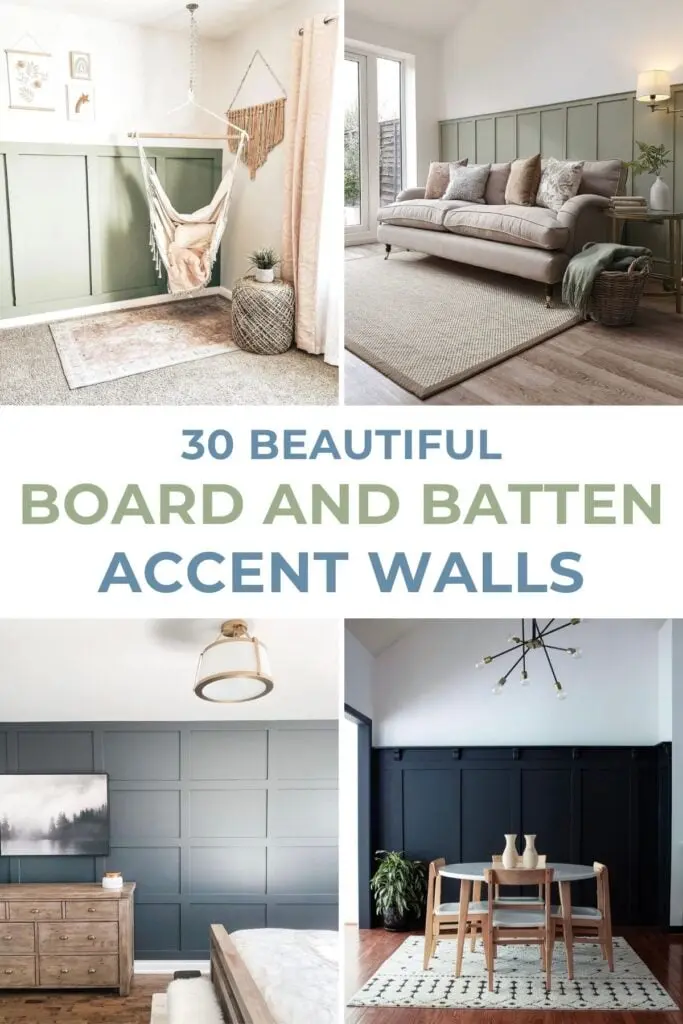
According to the 2026 National Association of Home Builders (NAHB) Housing Outlook, vertical siding profiles like board and batten have seen a 12 % increase in market share over the past three years, driven by their visual appeal and improved performance metrics. Unlike traditional lap siding, the raised battens create natural shadow lines that not only add depth but also help channel rainwater away from the wall surface, reducing moisture intrusion.
Beyond aesthetics, board and batten can be crafted from several materials—solid wood, engineered wood, fiber‑cement, or even reclaimed barn boards—each offering distinct benefits. For instance, fiber‑cement board and batten, highlighted in the Hardie Board Siding 2026 guide, delivers a 40 % higher resistance to rot and insects compared with untreated wood, while still mimicking the natural grain.
Key Materials and Their 2026 Performance
1. Solid Wood
Classic pine or cedar board and batten remains popular for historic renovations. The 2025 Forest Products Association report shows that sustainably harvested cedar now carries a 30 % lower carbon footprint due to improved milling efficiency. However, solid wood demands regular sealing and staining—roughly $1.20 per square foot annually for premium sealants—to keep moisture at bay.
2. Engineered Wood
Engineered wood combines wood fibers with resin binders, offering the look of real wood with better dimensional stability. The 2026 Consumer Reports “Siding Durability Index” gave engineered wood a 4.5‑star rating for warping resistance, making it ideal for climates with high humidity fluctuations.
3. Fiber‑Cement
Fiber‑cement board and batten has become the industry darling. A recent study by the University of Wisconsin’s Building Science Lab revealed that fiber‑cement panels can achieve an R‑value of 0.45 per inch, improving a home’s overall thermal envelope by up to 5 % when installed over insulated sheathing.
4. Reclaimed Barn Boards
For eco‑conscious owners, reclaimed boards add authenticity while diverting waste from landfills. The 2026 EPA “Construction Waste Reduction” report estimates that using reclaimed wood can cut material‑related emissions by up to 22 % compared with new lumber.
Installation: Step‑by‑Step Guide
- Preparation: Verify that the sheathing is flat, dry, and properly insulated. Install a weather‑resistant barrier (WRB) such as Tyvek to meet International Residential Code (IRC) §1503 requirements.
- Layout: Measure the wall height and mark a consistent 12‑inch spacing for the battens. Use a laser level to ensure vertical accuracy; misaligned battens are the most common cause of an uneven façade.
- Fastening: For wood and engineered wood, use 2‑inch stainless‑steel nails spaced 16 inches apart. Fiber‑cement requires 1‑¼‑inch corrosion‑resistant screws and a pre‑drilled pilot hole to prevent cracking.
- Sealing: Apply a high‑quality exterior caulk at each joint and around the edges of the battens. This step is crucial to maintain the siding’s water‑shedding properties.
- Finishing: Paint or stain within 24 hours of installation. For fiber‑cement, a masonry‑grade paint is recommended; it adheres better and lasts up to 15 years.
Cost Breakdown (2026)
| Material | Average Material Cost (per sq ft) | Installation Labor (per sq ft) | Total Approx. Cost |
|---|---|---|---|
| Solid Wood | $3.50 – $5.00 | $2.80 – $3.50 | $6.30 – $8.50 |
| Engineered Wood | $4.00 – $5.50 | $2.90 – $3.60 | $6.90 – $9.10 |
| Fiber‑Cement | $5.00 – $6.80 | $3.20 – $4.00 | $8.20 – $10.80 |
| Reclaimed Barn Boards | $4.50 – $7.00 | $3.00 – $3.80 | $7.50 – $10.80 |
These figures reflect national averages from the 2026 Home Improvement Cost Survey by Remodeling Magazine. Prices can vary regionally, especially in coastal areas where humidity demands higher‑grade materials.
Maintenance Tips to Prolong Longevity
- Annual Inspection: Look for loose fasteners, cracked caulk, or signs of water staining. Early detection prevents costly repairs.
- Re‑seal Every 3‑5 Years: High‑quality exterior sealants retain flexibility, accommodating wood expansion and contraction.
- Gentle Cleaning: Use a low‑pressure garden hose and mild detergent. Avoid power washers on fiber‑cement; the high pressure can erode the surface.
- Pest Management: For solid wood, treat with borate preservatives annually to deter termites and carpenter ants.
Common Mistakes and How to Avoid Them
Skipping the Weather‑Resistant Barrier
Omitting a WRB can lead to moisture trapping behind the siding, causing rot within two to three years. Always install a WRB before the first board.
Incorrect Batten Spacing
Uneven spacing not only ruins the visual rhythm but also creates weak points where water can pool. Use a chalk line and consistent measurements.
Using the Wrong Fasteners
Standard zinc nails corrode quickly on fiber‑cement. Opt for stainless steel or hot‑dipped galvanized fasteners to ensure a 20‑year lifespan.
Real‑World Case Study: A Mid‑Century Modern Renovation
In a 2025 renovation project in Portland, Oregon, a 2,200 sq ft home received a complete board and batten overhaul using reclaimed barn boards. The homeowner partnered with a local crew found via Find Reliable Siding Installers Near Me in 2026. The project stayed within a $9,800 budget and achieved a 12 % reduction in heating costs, as verified by a post‑install energy audit from the Oregon Energy Trust.
Future Trends: What to Expect After 2026
Emerging technologies such as bio‑based resins for engineered wood and nano‑coatings for fiber‑cement promise even greater durability. The 2026 International Siding Expo highlighted a new “smart” board and batten system equipped with embedded moisture sensors that alert homeowners via a smartphone app when humidity levels exceed safe thresholds.
FAQ – Board and Batten Siding
Is board and batten suitable for hurricane‑prone regions?
When installed over insulated sheathing with proper fasteners, board and batten can meet ICC 600 wind‑load requirements up to 130 mph. Fiber‑cement versions are especially resilient due to their weight and rigidity.
How does the R‑value of board and batten compare to vinyl siding?
Vinyl siding alone offers an R‑value of about 0.15 per inch, whereas fiber‑cement board and batten can achieve 0.45 per inch, providing roughly three times the insulating benefit when paired with continuous exterior insulation.
Can I paint board and batten myself?
Yes. For wood and engineered wood, a primer designed for exterior use followed by a high‑quality acrylic paint yields the best results. Fiber‑cement requires a masonry primer before painting.
What is the expected lifespan?
Solid wood typically lasts 20‑30 years with diligent maintenance. Engineered wood and fiber‑cement can reach 40‑50 years, while reclaimed boards, when well‑preserved, often exceed 60 years.
Do I need a permit?
Most municipalities require a building permit for exterior siding replacement. Check local codes; many 2026 regulations now mandate compliance with the International Residential Code (IRC) Chapter 15 for wind and rain resistance.
Choosing the Right Board and Batten for Your Home
Start by evaluating your climate, budget, and design preferences. If you prioritize low maintenance, fiber‑cement is the clear winner. For a heritage look with a sustainable story, reclaimed barn boards shine. Need a quick, budget‑friendly upgrade? Engineered wood offers a balance of cost and performance.
For a deeper dive into material selection, refer to the Ultimate Guide to Choosing Siding for House in 2026, which outlines cost, durability, and future‑proofing considerations across all siding categories.
Bottom Line
Board and batten siding remains a versatile, stylish, and increasingly efficient exterior cladding option in 2026. Whether you opt for traditional wood, engineered alternatives, or high‑performance fiber‑cement, understanding the material properties, installation nuances, and maintenance requirements will ensure your home looks great and stays protected for decades.
Need help finding a reputable contractor? Check out the Top 2026 Guide to Hiring the Best Siding Companies for vetted professionals and cost benchmarks.
Thinking about replacing old siding entirely? The Siding Replacement in 2026 guide walks you through the full process from demolition to final inspection.
